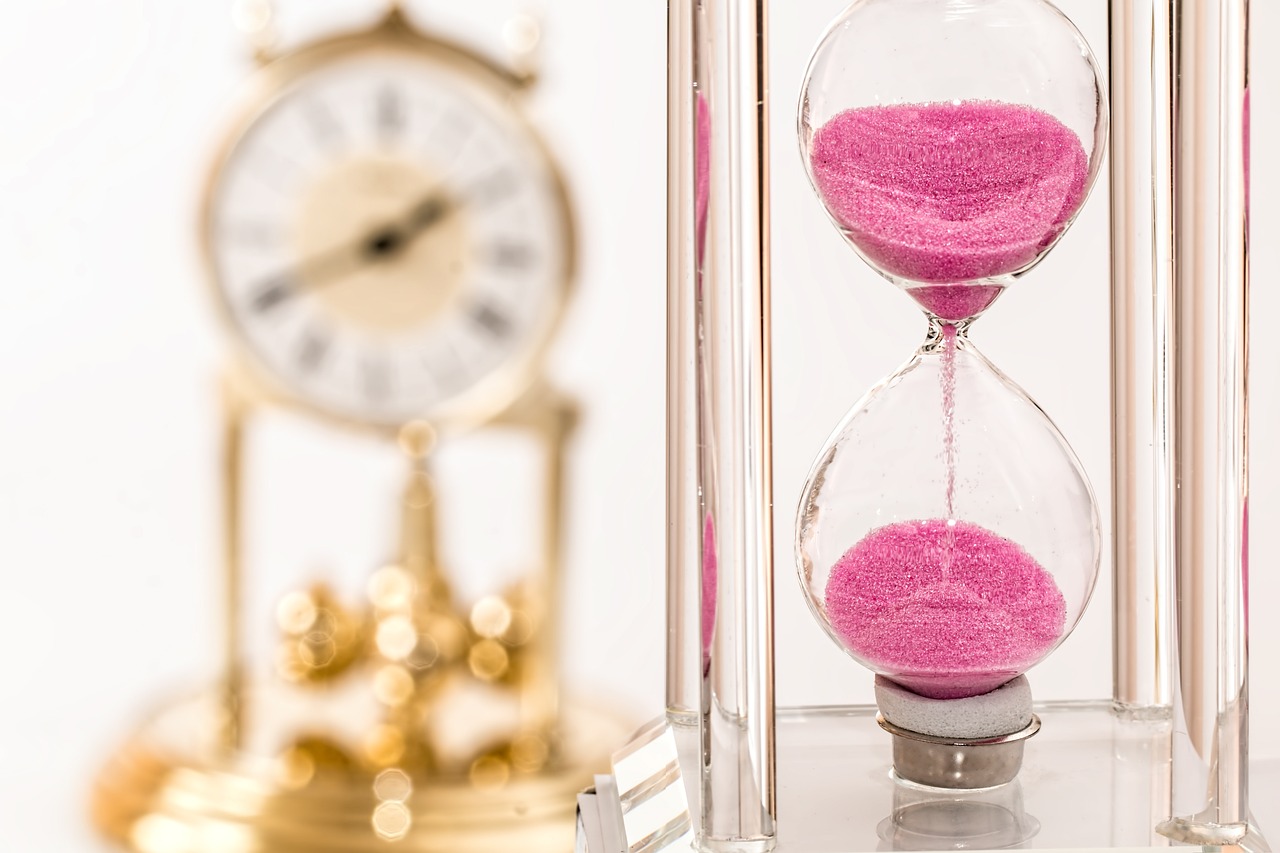
The Science of Anti-Aging: “Understanding the Fountain of Youth”
Introduction:
In our quest for eternal youth, the science of anti-aging has become a fascinating field of study. With advancements in technology and a deeper understanding of the aging process, researchers are uncovering the secrets behind slowing down the clock. In this article, we will delve into the science of anti-aging, exploring the biological mechanisms, lifestyle factors, and cutting-edge research that contribute to the pursuit of youthful vitality.
Understanding the Aging Process:
Aging is a complex biological process influenced by both genetic and environmental factors. At the cellular level, several key mechanisms contribute to aging, including telomere shortening, oxidative stress, and cellular senescence. Telomeres, protective caps at the ends of chromosomes, gradually shorten with each cell division, leading to cellular aging. Oxidative stress, caused by an imbalance between free radicals and antioxidants, can damage cells and accelerate aging. Cellular senescence refers to the state where cells lose their ability to divide and function properly.
Lifestyle Factors and Anti-Aging:
While genetics play a role in aging, lifestyle factors can significantly impact the rate at which we age. A healthy lifestyle that includes regular exercise, a balanced diet, stress management, and adequate sleep can help slow down the aging process. Exercise promotes cardiovascular health, improves muscle tone, and enhances overall well-being. A nutrient-rich diet, high in antioxidants, vitamins, and minerals, supports cellular health and combats oxidative stress. Managing stress levels through practices like meditation or mindfulness can also have a positive impact on aging.
Cutting-Edge Research and Anti-Aging Interventions:
Scientists are continually exploring innovative approaches to combat aging. One area of focus is the role of cellular rejuvenation and regenerative medicine. Stem cell research, for example, holds promise in regenerating damaged tissues and organs. Another area of interest is the study of senolytics, compounds that target and eliminate senescent cells, thereby promoting tissue rejuvenation.
Furthermore, researchers are investigating the potential of various molecules and compounds, such as resveratrol, NAD+ boosters, and rapamycin, in extending lifespan and improving healthspan. These interventions aim to target specific pathways involved in aging, such as sirtuins and mTOR.
Conclusion:
The science of anti-aging is a rapidly evolving field that offers hope for a healthier and more youthful future. By understanding the biological mechanisms of aging and adopting a healthy lifestyle, we can optimize our chances of aging gracefully. While there is no magic potion for eternal youth, ongoing research and advancements in anti-aging interventions hold promise for a future where aging is not just a process to be endured but one that can be managed and slowed down. Embracing a holistic approach to anti-aging, combining scientific knowledge with healthy habits, can empower us to live vibrant and fulfilling lives as we age.
#antiaging #youth #health #cosmetics