Growing Moringa
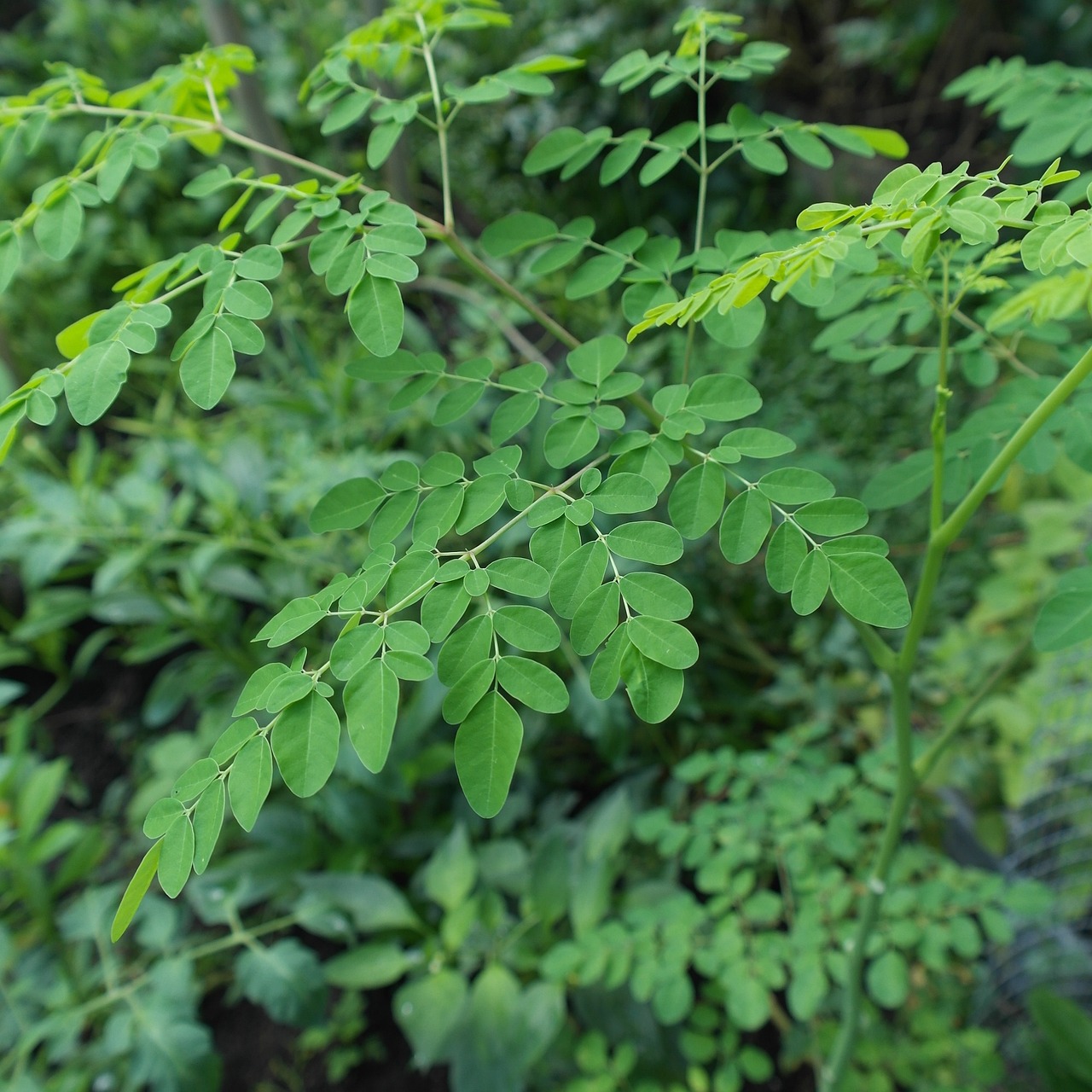
Growing Moringa
Week 1: Introduction to Moringa Trees
Introduction to Moringa oleifera and its significance
Exploring the ecological requirements of Moringa trees
Understanding the different varieties and selecting the right one for your needs
How does growing moringa trees follow the principals of permaculture?
Hidden Power
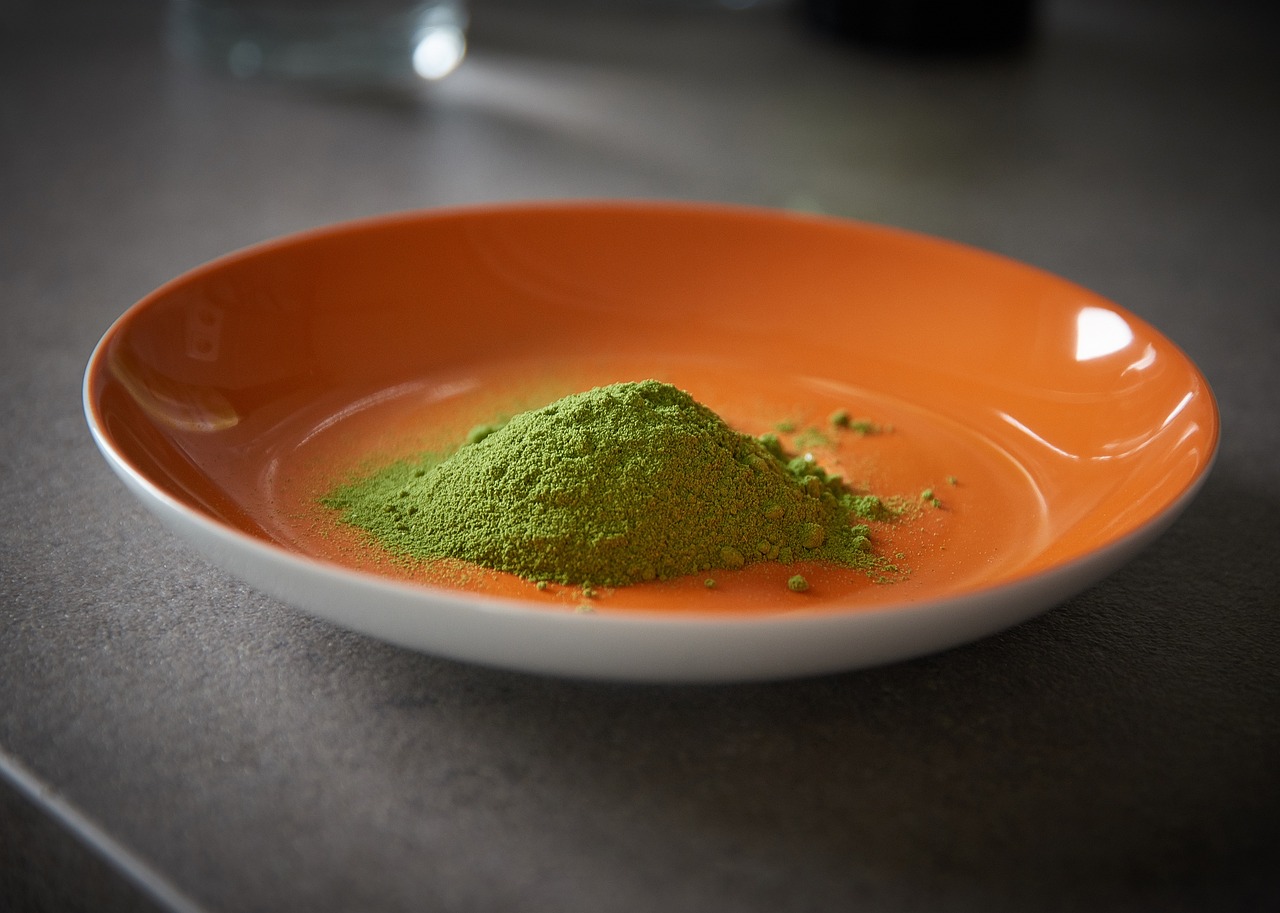
Certainly! Moringa trees offer numerous benefits and have a wide range of potential uses. Here are the top ten benefits and uses of Moringa trees:
Nutritional Powerhouse: Moringa leaves are highly nutritious, packed with vitamins (A, C, E, and B-complex), minerals (calcium, iron, magnesium, and potassium), protein, and antioxidants. They are a valuable addition to diets, especially in areas where nutrient deficiencies are prevalent.
Medicinal Properties: Moringa has been used in traditional medicine for centuries. It possesses anti-inflammatory, antimicrobial, and antioxidant properties. Various parts of the tree, including leaves, seeds, and roots, are used to treat ailments such as inflammation, infections, diabetes, high blood pressure, and digestive disorders.
Edible Leaves and Pods: The tender leaves and young pods of Moringa are edible and can be consumed raw, cooked, or dried. They are used in soups, salads, stir-fries, and curries, adding a mild, spinach-like flavor and nutritional value to dishes.
High-Protein Animal Feed: Moringa leaves and seeds are used as a nutritious fodder for livestock and poultry. The high protein content supports animal growth, milk production, and egg-laying.
Sustainable Livelihoods: Moringa cultivation offers economic opportunities, particularly in rural areas. Farmers can sell Moringa products, such as leaves, seeds, oil, and powder, either locally or for export, generating income and improving livelihoods.
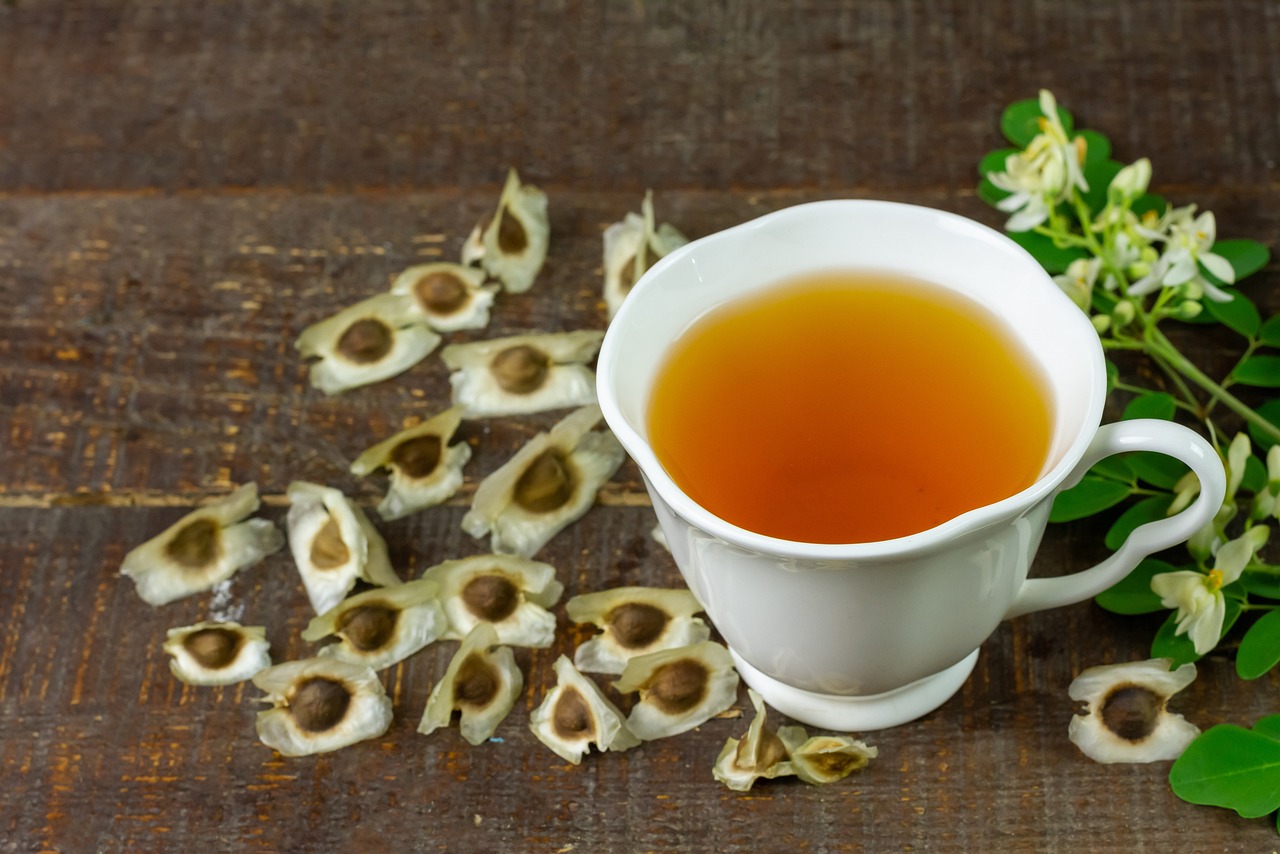
Water Purification: Moringa seeds contain natural coagulants that help clarify turbid water. Crushed seeds or Moringa powder can be used to purify water by removing impurities, sediment, and certain pathogens.
Edible Oil: Moringa seeds contain oil, known as "Ben oil" or "Behen oil," which is high in monounsaturated fats. The oil is edible, light in flavor, and has a long shelf life. It is used in cooking, as a salad dressing, and in the cosmetic industry.
Natural Fertilizer and Soil Conditioner: Moringa leaves and leaf litter can be used as a nutrient-rich mulch or compost to improve soil fertility and structure. The tree's deep taproot brings up nutrients from lower soil layers, making them available to other plants.
Erosion Control and Windbreaks: Moringa trees have an extensive and dense root system that helps prevent soil erosion. They are used as windbreaks in agricultural fields to protect crops from strong winds and reduce evaporation.
Biofuel Production: Moringa seeds have potential as a source of biofuel due to their high oil content. The oil extracted from the seeds can be used for cooking, as a biodiesel feedstock, or for producing sustainable cosmetics and personal care products.
These are just a few examples of the benefits and uses of Moringa trees, which highlight their versatility, nutritional value, medicinal properties, and potential contributions to sustainable agriculture and rural development.
Where are they grown and why?
Moringa trees (Moringa oleifera) are native to the sub-Himalayan regions of India, Pakistan, Bangladesh, and Afghanistan. However, they are now widely cultivated and can thrive in various tropical and subtropical regions around the world. Understanding the ecological requirements of Moringa trees is crucial for successful cultivation. Here are the key factors that contribute to their growth and productivity:
Climate: Moringa trees prefer warm climates with temperatures ranging between 25°C and 35°C (77°F - 95°F). They are highly adaptable and can tolerate both dry and humid conditions. Frost and prolonged periods of cold temperatures can damage or kill the trees. Ideally, Moringa trees grow well in regions with a distinct dry season and sufficient sunlight.
Sunlight: Moringa trees require abundant sunlight to thrive. They typically prefer full sun exposure, receiving at least 6-8 hours of direct sunlight each day. Adequate sunlight is essential for photosynthesis, promoting vigorous growth, and ensuring the development of a robust canopy.
Soil: Moringa trees can grow in a wide range of soil types, but they thrive best in well-drained soils with a neutral to slightly acidic pH between 6.3 and 7.0. They can tolerate poor soils, including sandy or loamy soils, but the presence of organic matter and good soil structure enhances their growth and productivity. Compacted or waterlogged soils should be avoided as they can hinder root development.
Water: Moringa trees are relatively drought-tolerant once established, but regular watering during their early stages of growth is crucial for root establishment. They prefer a moderate amount of water without waterlogging. Adequate water availability is especially important during flowering and pod development stages to ensure optimal fruiting and seed production.
Wind: Moringa trees can withstand moderate winds but are susceptible to damage in areas with strong, persistent winds. Providing windbreaks or sheltered locations can help protect the trees from excessive wind exposure and prevent potential breakage of branches.
Altitude: Moringa trees generally grow well at lower altitudes below 600 meters (2000 feet). While they can be cultivated at higher elevations, growth may be slower, and they may be more susceptible to cold temperatures.
Rainfall: Moringa trees are known for their drought tolerance and can survive in regions with low rainfall. However, regular and adequate watering during dry periods is beneficial for sustained growth, leaf production, and yield.
In regions where these ecological requirements are met, Moringa trees can grow vigorously and yield a bountiful harvest. Their ability to adapt to a range of climates and soil conditions has contributed to their widespread cultivation and popularity in diverse geographical areas.
Understanding the different varieties
Understanding the different varieties of Moringa and selecting the right one for your needs is important for several reasons:
Climate Adaptability: Moringa varieties exhibit variations in their tolerance to different climates and environmental conditions. Some varieties thrive in tropical or subtropical regions, while others can withstand colder temperatures. By selecting the appropriate variety, you ensure that the tree will adapt well to your specific climate, resulting in better growth and productivity.
Yield and Nutritional Content: Different Moringa varieties may vary in their yield potential and nutritional composition. Some varieties are specifically bred or selected for higher leaf production, making them suitable for those primarily interested in the nutritional benefits of Moringa leaves. On the other hand, other varieties may focus on seed production for oil extraction or other purposes. Choosing the right variety ensures that you achieve your desired yield and nutritional goals.
Purpose and Utilization: Moringa has diverse uses, ranging from culinary applications to medicinal, cosmetic, or agricultural uses. Different varieties may be better suited for specific purposes. For example, if you intend to use Moringa primarily for leaf consumption, you would want a variety known for its abundant and nutritious leaves. If you are interested in seed production for oil extraction, you would select a variety with higher seed yield. Understanding the intended purpose of your Moringa cultivation helps in selecting the appropriate variety.
Growth Characteristics: Moringa varieties can differ in growth habits, such as tree height, branching patterns, and leaf shape. Some varieties may have a bushy growth habit, making them suitable for hedge planting or compact spaces, while others may have a more tree-like form. By considering the growth characteristics of different varieties, you can choose one that aligns with your available space and desired aesthetics.
Local Adaptation and Knowledge: In certain regions, specific Moringa varieties may already be cultivated and adapted to the local conditions. Local farmers and communities may have valuable knowledge and experience with specific varieties that perform well in the area. By tapping into this local knowledge and selecting varieties that are already successful in the region, you can benefit from established practices and ensure better outcomes.
In summary, understanding the different varieties of Moringa and selecting the right one for your needs allows you to optimize growth, yield, and nutritional content, align the variety with your intended purpose, consider growth characteristics and adaptability to your climate, and leverage local knowledge and experience. This ensures a more successful and productive Moringa cultivation that meets your specific goals and requirements.
Moringa and Permaculture
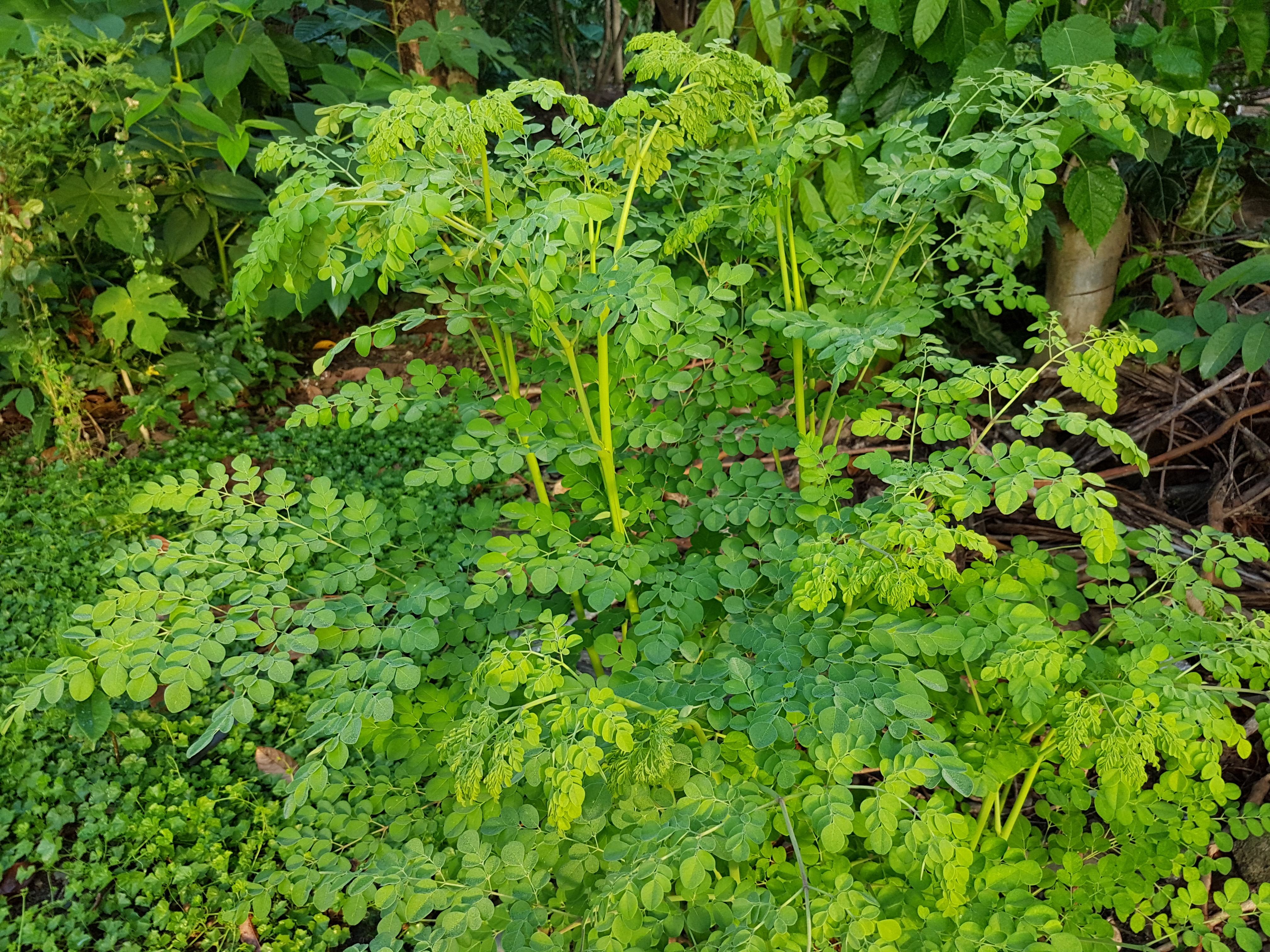
Growing Moringa trees aligns well with the principles of permaculture, a design approach that aims to create sustainable and self-sufficient systems inspired by natural ecosystems. Here's how growing Moringa trees incorporates several key principles of permaculture:
Observe and Interact: Permaculture emphasizes the importance of observing and understanding the natural patterns and processes of the environment. Growing Moringa trees requires careful observation of soil conditions, water availability, sunlight exposure, and climate. By actively engaging with the Moringa trees and their surroundings, practitioners can make informed decisions about planting, care, and maintenance.
Use and Value Renewable Resources and Services: Moringa trees are highly valued for their abundant and renewable resources. Almost all parts of the Moringa tree, including leaves, pods, seeds, and roots, have practical applications. By utilizing these resources, practitioners can reduce their dependence on non-renewable resources and promote sustainability in their gardening or farming practices.
Obtain a Yield: Moringa trees are known for their fast growth rate and high productivity. By growing Moringa trees, practitioners can obtain a significant yield of nutritious leaves, edible pods, and seeds that are rich in vitamins, minerals, and antioxidants. The yield can be used for personal consumption, sold locally, or processed into various products, contributing to food security and economic opportunities.
Apply Self-Regulation and Accept Feedback: Permaculture encourages practitioners to design systems that can self-regulate and adapt to changing conditions. Growing Moringa trees involves monitoring the health of the trees, addressing pest and disease issues, and adjusting watering and nutrient management based on feedback from the plants. By observing and responding to feedback, practitioners can maintain a balanced and resilient Moringa ecosystem.
Integrate Rather Than Segregate: Permaculture promotes the idea of integrating various elements within a system to create beneficial relationships and enhance overall productivity. Growing Moringa trees allows for integration with other plants, animals, and components of a permaculture design. For example, Moringa trees can serve as shade providers for more delicate plants, contribute biomass for composting, or act as windbreaks to protect other crops.
Use and Value Diversity: Diversity is a fundamental principle in permaculture, as it increases resilience and stability in ecosystems. Growing Moringa trees supports biodiversity by attracting pollinators, providing habitat for beneficial insects, and offering food sources for wildlife. Introducing Moringa trees into a permaculture system can enhance the overall diversity of plants and animals present.
Use Small and Slow Solutions: Permaculture emphasizes starting small and gradually expanding systems to ensure sustainable practices. Growing Moringa trees allows practitioners to start with a few trees and then propagate more over time. This approach enables careful observation, learning, and adaptation to local conditions while minimizing potential risks or resource wastage.
By incorporating these permaculture principles, practitioners can integrate Moringa trees into their permaculture designs, fostering ecological harmony, resource efficiency, and resilience within their growing systems.