Week 2: Preparing for Planting
Week 2: Preparing for Planting
Soil preparation and its impact on Moringa tree growth
Choosing the ideal location for planting Moringa trees
Propagation methods: seeds, cuttings, and grafting
Seed treatment techniques for improved germination rates
Soil preparation
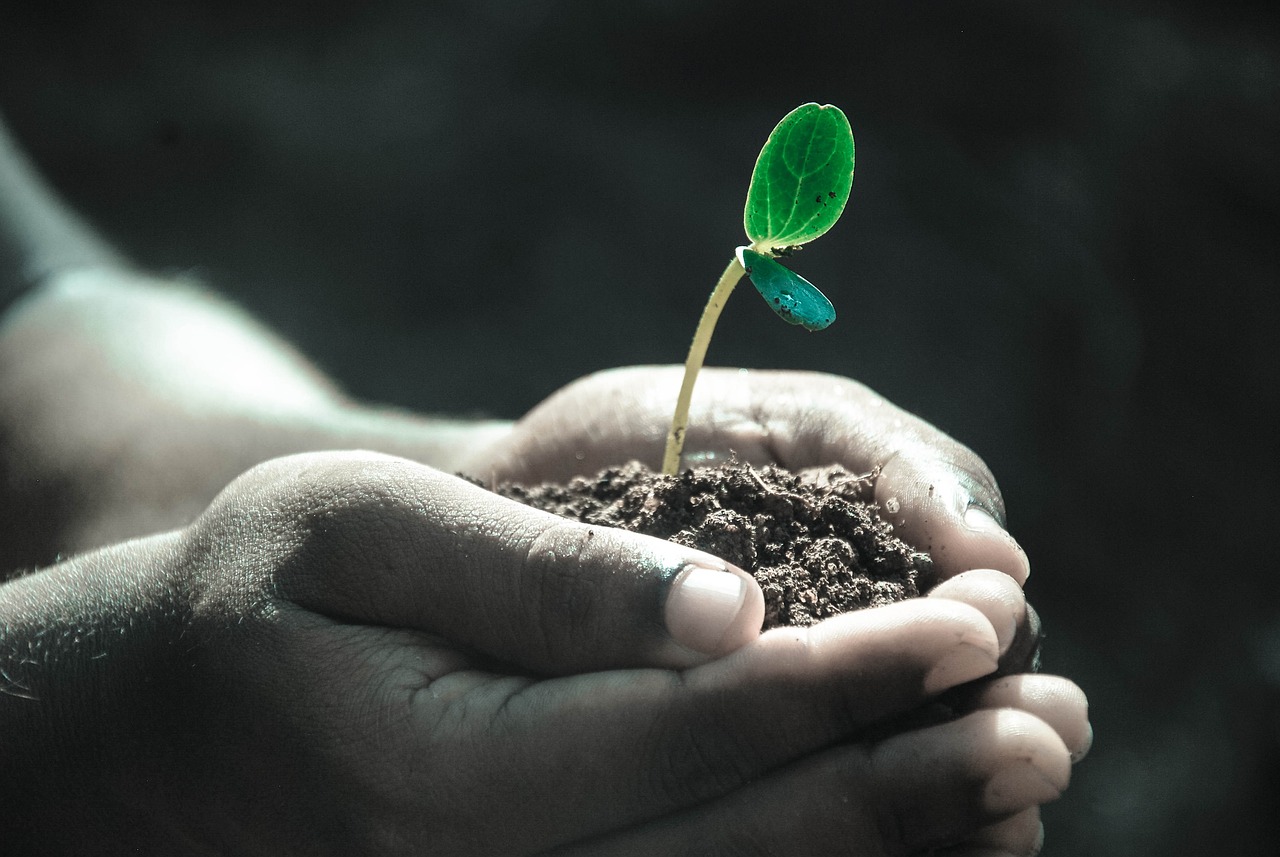
Soil preparation plays a crucial role in the growth and development of Moringa trees. It directly impacts the tree's ability to establish a strong root system, uptake essential nutrients, and thrive in its environment. Here are some key aspects of soil preparation and their impact on Moringa tree growth:
Soil Quality: Moringa trees prefer well-drained soils with good fertility. Proper soil preparation ensures that the soil is loose, well-aerated, and has good water-holding capacity. This allows for root penetration, water infiltration, and nutrient absorption, promoting healthy growth.
pH Level: Moringa trees generally prefer slightly acidic to neutral soil pH levels between 6.0 and 7.5. Soil testing should be conducted to assess the pH level of the soil. If the pH is outside the desired range, appropriate amendments such as lime or sulfur can be added to adjust the pH and create a favorable growing environment for Moringa.
Organic Matter: Adding organic matter, such as compost or well-rotted manure, to the soil before planting Moringa trees is beneficial. Organic matter improves soil structure, increases water-holding capacity, enhances nutrient availability, and encourages beneficial microbial activity. This promotes vigorous root growth and overall plant health.
Nutrient Content: Moringa trees require a balanced supply of essential nutrients for optimal growth. Prior to planting, soil testing can determine the nutrient status of the soil. Based on the results, appropriate fertilizers or soil amendments can be applied to address any nutrient deficiencies or imbalances. Nitrogen, phosphorus, and potassium are particularly important for Moringa growth and should be supplied accordingly.
Drainage: Proper soil drainage is crucial for Moringa trees as they are susceptible to root rot in waterlogged conditions. If the soil has poor drainage, measures such as incorporating organic matter, creating raised beds, or improving soil structure can help improve drainage and prevent waterlogging.
Weed Control: Weeds compete with Moringa trees for nutrients, water, and sunlight. Effective weed control measures should be implemented during soil preparation to minimize competition and ensure optimal growth of the Moringa trees. Mulching with organic materials can help suppress weed growth and conserve soil moisture.
Soil Erosion Prevention: In areas prone to soil erosion, implementing erosion control measures during soil preparation is important. Terracing, contour plowing, or planting cover crops can help prevent soil erosion and ensure the stability of the soil, protecting the Moringa trees from adverse effects.
By paying attention to soil quality, pH level, organic matter, nutrient content, drainage, weed control, and erosion prevention, proper soil preparation sets the foundation for healthy Moringa tree growth. It creates an optimal environment for root development, nutrient uptake, and overall plant vigor, leading to better yields and the successful cultivation of Moringa.
You are seeing this course as it is being created and there is plenty more to come. The course is free to audit and all of the content is yours to learn from, do, challenge, or teach.
Download the app, come back for more, and share it with your friends.