Signs of Autistic behaviors
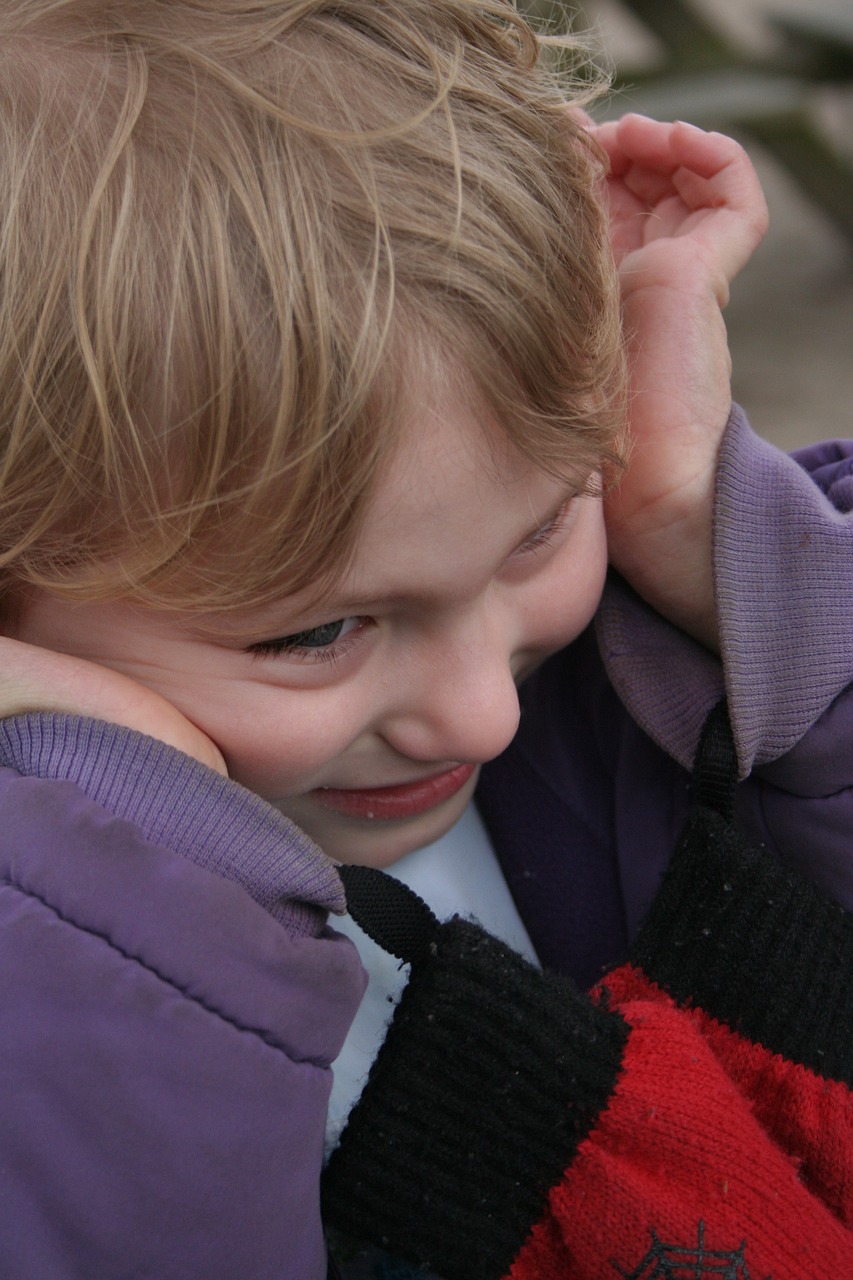
Signs of Autistic behaviors
There are several common clues or signs that may indicate the presence of autism spectrum disorder (ASD) in children.
It is important to note that every child is unique, and the presence of these signs does not necessarily confirm a diagnosis of autism.
However, these signs can serve as an initial indication and may warrant further evaluation by a qualified professional. Some common clues indicating autism include:
Social Communication Challenges:
Children with autism often exhibit difficulties in social communication. They may have limited eye contact, reduced interest in interacting with others, or difficulty understanding and using nonverbal communication cues such as gestures or facial expressions.
Language and Communication Differences: Delayed or atypical language development is a common characteristic of autism. Children may have delayed speech or exhibit echolalia (repeating words or phrases without meaningful use). Some children may have difficulty initiating or sustaining conversations and may prefer to communicate through nonverbal means or assistive communication devices.
Repetitive Behaviors and Interests: Many children with autism engage in repetitive behaviors, such as hand-flapping, rocking, or lining up objects in a specific order. They may also display intense or narrow interests, often focusing on specific topics or objects, and may have difficulty shifting attention or interests.
Sensory Sensitivities: Heightened or unusual sensory sensitivities are common in individuals with autism. They may be oversensitive or undersensitive to sensory stimuli such as sounds, lights, textures, or smells. Children may react strongly to sensory inputs or seek out certain sensory experiences.
Difficulties with Transitions and Changes: Children with autism often struggle with changes in routines or transitions between activities. They may become upset or exhibit challenging behaviors when faced with unexpected changes or disruptions to their established routines.
Limited Social Interactions and Play Skills: Children with autism may have difficulties engaging in age-appropriate social interactions and play skills. They may struggle with understanding social cues, taking turns, sharing, or engaging in imaginative play with peers.
It's important to remember that each child is unique, and the presence of these signs may vary from one individual to another. If you notice these signs in your child, it is advisable to consult with a healthcare professional or specialist who can conduct a comprehensive evaluation and provide appropriate guidance and support.
Raising an autistic child can be both rewarding and challenging. By sharing our stories, we offer a sense of belonging, empathy, and emotional support to fellow parents who may be going through similar experiences. Together, we can find strength and encouragement.