Harnessing the Power of Singing for Developing Self-Control in Autistic Children

Harnessing the Power of Singing for Developing Self-Control in Autistic Children
There's a famous quote that goes, "I don't sing because I am happy, I sing because it makes me happy."
How profound and true this statement is! Singing has the remarkable ability to uplift our spirits and bring joy to our hearts.
But did you know that it goes beyond just the emotional realm?
Recent research has shed light on the fascinating connection between singing and the vagus nerve, a vital component of our autonomic nervous system.
The vagus nerve plays a crucial role in regulating our body's stress response and promoting relaxation.
And guess what?
Singing happens to be a powerful stimulator of this incredible nerve!
When we sing, our vocal cords and muscles of the throat are engaged, activating the vagus nerve as it branches through these areas.
The act of singing helps to regulate our breathing, slow down our heart rate, and promote a sense of calmness.
It's like a soothing massage for our nervous system, gently guiding us into a state of relaxation.
So, the next time you find yourself humming or bursting into song, remember the wise words: "I don't sing because I am happy, I sing because it makes me happy." Singing not only brings us happiness but also acts as a natural stress reliever by stimulating the vagus nerve.
Let the power of music and the joy of singing be your companion on this beautiful journey of self-expression and well-being. 🎵✨
#SingingForHappiness #VagusNerveStimulation #MusicHeals #FindYourJoy
🎶 Harnessing the Power of Singing for Developing Self-Control in Autistic Children 🎶
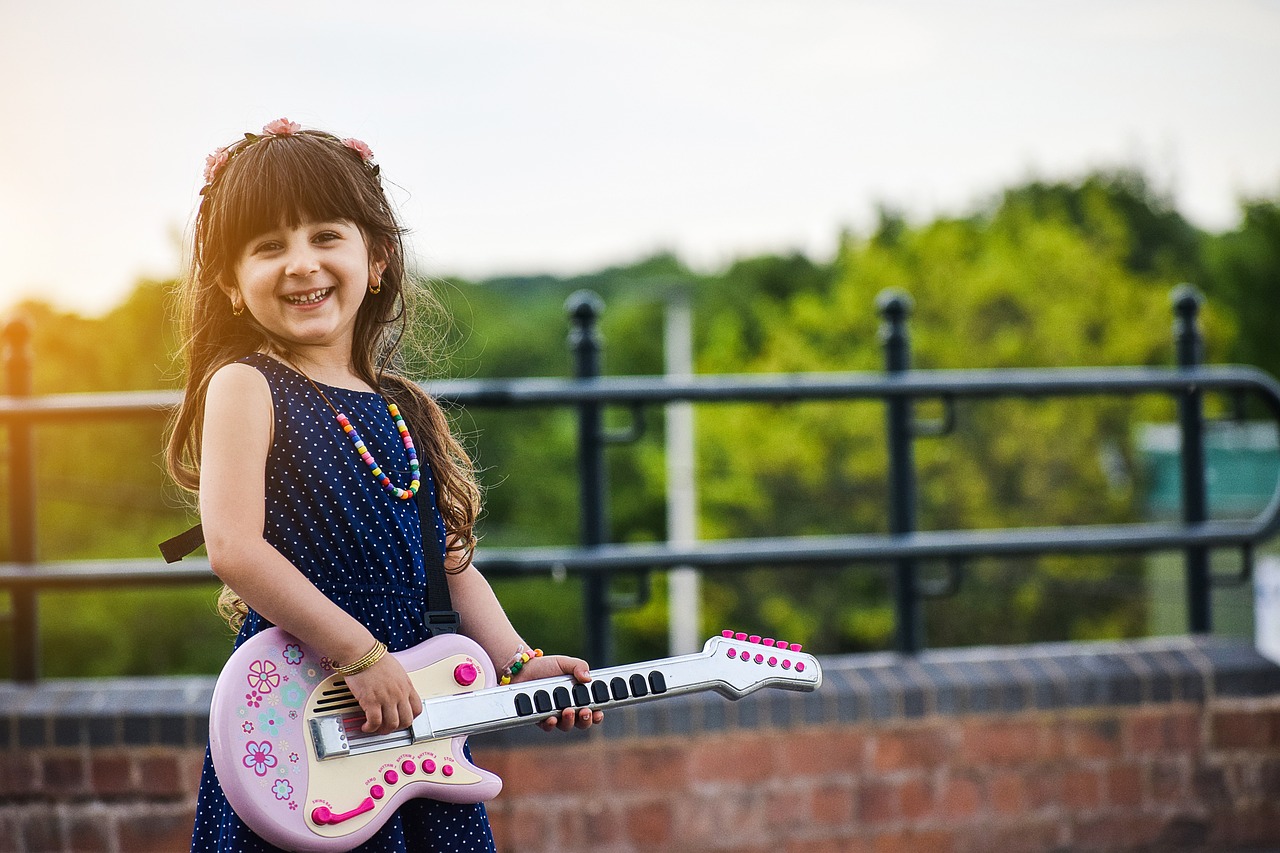
We all know that singing has the incredible ability to uplift our spirits and bring us joy. But did you know that it can also be a valuable strategy for developing self-control in autistic children?
Let's explore this exciting connection!
For children on the autism spectrum, self-control can sometimes be a challenge due to sensory sensitivities and difficulty managing emotions. Singing can provide a unique avenue to help them regulate their emotions and enhance their self-control skills. Here's how:
1️⃣ Vagus Nerve Stimulation: Singing stimulates the vagus nerve, which plays a role in promoting relaxation and regulating our body's stress response. By engaging in singing activities, autistic children can experience a soothing effect on their nervous system, helping them manage stress and emotions more effectively.
2️⃣ Breathing and Rhythm: Singing involves controlled breathing and following rhythmic patterns. These elements can support children in developing a sense of internal rhythm and pacing, which can contribute to improved self-control. By focusing on their breath and the rhythmic flow of the music, children can learn to regulate their impulses and maintain better control over their actions.
3️⃣ Emotional Expression and Communication: Singing provides a means of emotional expression and communication for autistic children. Through music and lyrics, they can explore and convey their feelings in a safe and non-threatening way.
This outlet for self-expression can help them gain a better understanding of their emotions and develop strategies for self-regulation.
By incorporating singing into activities and routines, parents, caregivers, and educators can create opportunities for autistic children to develop self-control skills in an enjoyable and engaging manner.
Whether it's singing along to favorite songs, participating in music therapy sessions, or even creating their own tunes, the power of singing can be a valuable tool for fostering self-control and emotional well-being.
Let the magic of music guide us as we support autistic children on their journey of self-discovery, self-expression, and self-control. 🎵✨
#SingingForSelfControl #MusicTherapy #AutismSupport #EmotionalWellbeing