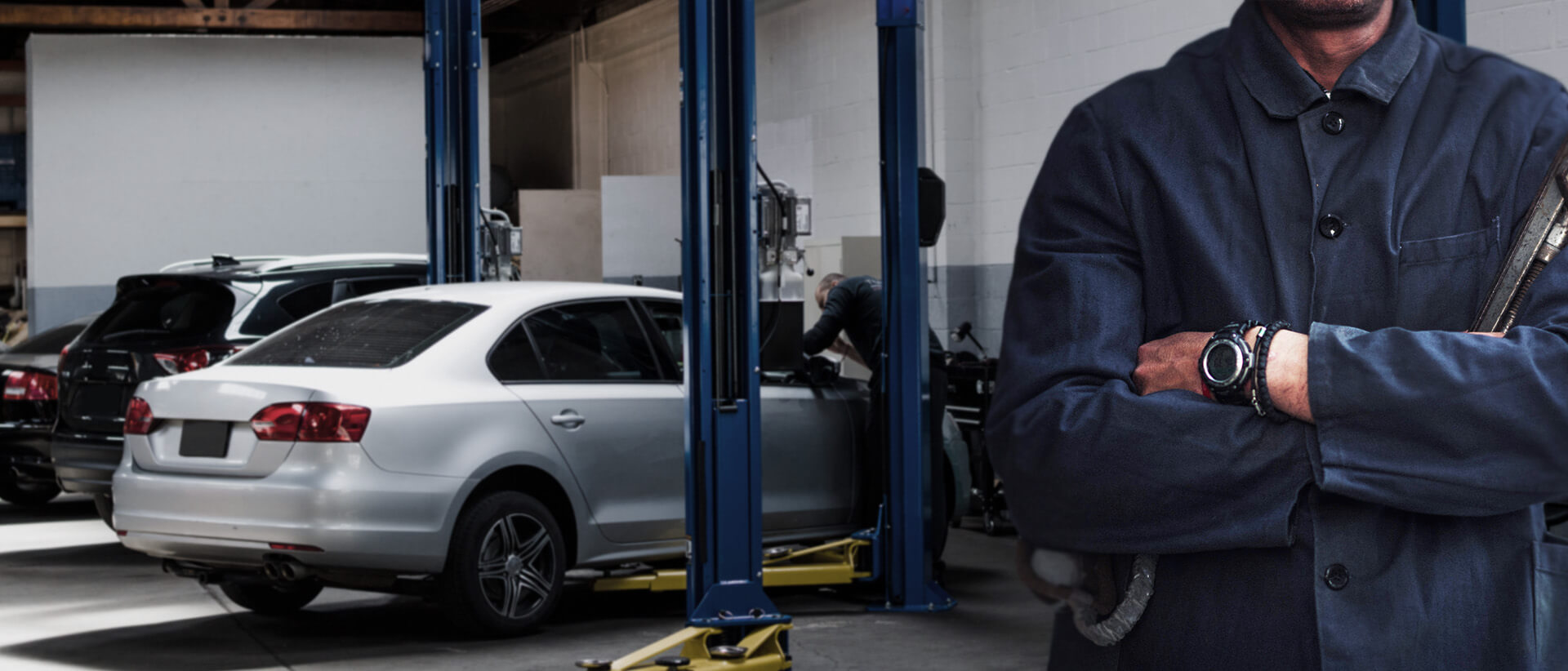
PROFESSIONAL AUTO REPAIR & AUTO MAINTENANCE
Our Auto Repair Shop was established in 20xx. With years of experience and expertise in all forms of specialized engine repair, our team has been serving the automotive repair needs in the local area.
PROFESSIONAL AUTO REPAIR & AUTO MAINTENANCE
Our Auto Repair Shop was established in 20xx. With years of experience and expertise in all forms of specialized engine repair, our team has been serving the automotive repair needs in the local area.
Auto Maintenance
Our Auto Repair Shop was established in 20xx. With years of experience and expertise in all forms of specialized engine repair, our team has been serving the automotive repair needs in the local area.
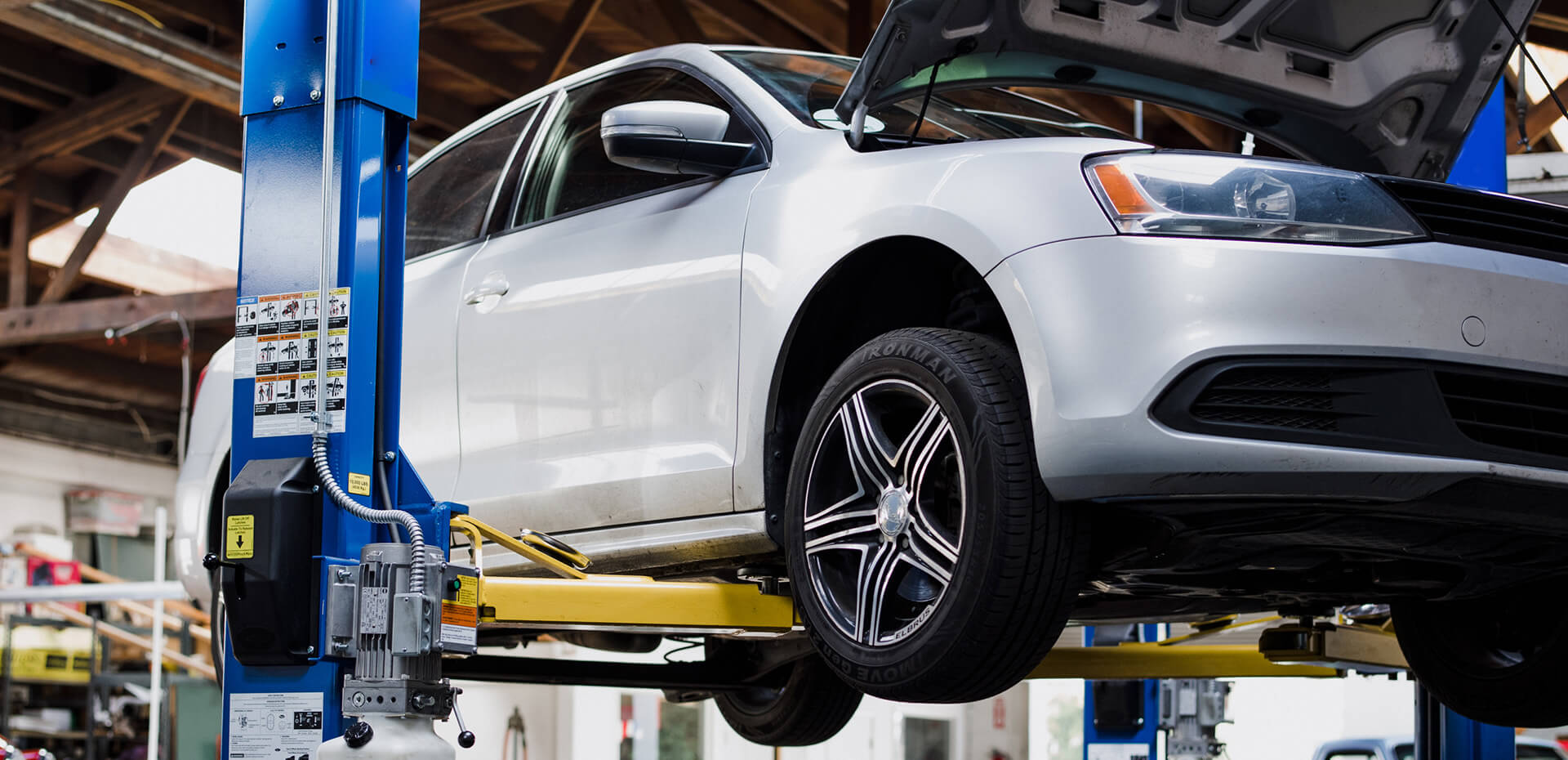
AT AFFORDABLE PRICES
Our Auto Repair Shop was established in 20xx. With years of experience and expertise in all forms of specialized engine repair, our team has been serving the automotive repair needs in the local area.

IN YOURCITY
Our Auto Repair Shop was established in 20xx. With years of experience and expertise in all forms of specialized engine repair, our team has been serving the automotive repair needs in the local area.
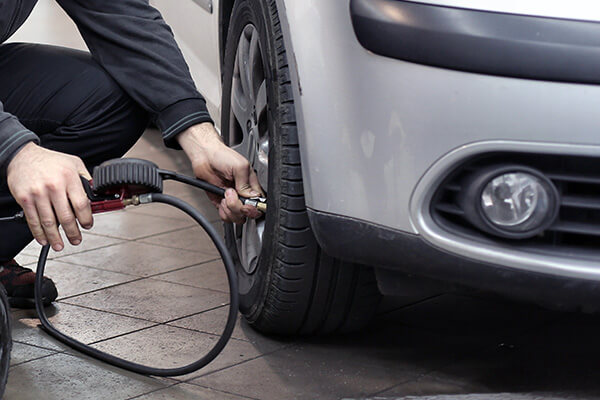
What to Look For in an Auto Repair Shop
by arsdemo
When their cars break down unexpectedly, many people take them to the closest repair shop they can find. But this important decision should not be left to chance.
The best thing to do is to start shopping for a repair facility before you need one. By planning ahead, you can be sure that your car will be in capable hands when repairs are needed.
The National Institute for Automotive Service Excellence (ASE), a nonprofit, independent organization that tests and certifies auto service professionals, offers these tips on finding a good auto repair establishment.
– Ask your friends and associates for their recommendations or consult local consumer groups.
– Arrange for alternate transportation in advance so you will not feel forced to choose a shop based solely on location.
– Look for a neat, well-organized facility with modern equipment and vehicles in the parking lot that is equal in value to your own.
– Look for a courteous staff. The service consultant should be willing to answer all of your questions.
– Ask about the shop’s policies regarding estimated repair costs, diagnostic fees, guarantees, and acceptable methods of payment.
– Ask if the repair facility usually handles your type of repair work.
– Look for signs of professionalism in the customer service area such as civic, community, or customer service awards.
– Look for evidence of qualified technicians such as trade school diplomas, certificates of advanced courses, and ASE certification.
Approximately 400,000 professionals hold current ASE credentials. They can be found at independent garages, dealerships, franchised outlets, collision shops, and various other types of repair facilities.
The certified technicians wear blue and white ASE insignia or pins. Their employers often display their
technician's ASE credentials in the customer service area and posts the ASE sign on the premises.

10 Things Every Car Buyer Must
Know
by arsdemo
Buying a car needs not just investment but deep thought. The market is overflowing with choices and temptations. Buyers need to think, what kind of car and can I afford it?
Think, what do I need transportation for right now and what will I need two years from now?
Do I want a car as a status symbol or as something that makes my life easier?
Will the car be a commuter vehicle, or to transport children?
Would a van with cargo space and high clearance be more suitable for a growing family?
Should the car be a two-wheel or four-wheel drive?
What kind of terrain will I be driving in most of the time?
Go through auto magazines as well as consumer reports to get a clear picture of the world of cars.
1. Work on your finances and determine what you need to spend each month on transportation.
A car should not cost more than 10% of your net pay per month. If it is more, then consider leasing a car instead of buying one.
2. Before you finalize anything, find out what the target price is. Four-figure discounts are available with almost every make.
3. Never sign an arbitration clause or blank financial forms. Try and get finance from a separate source, a bank or financial institution.
4. Haggling will get you a good deal apart from shopping around for finance. The market is competitive be sure to check dealer fiance, high street, internet lenders, as well as other options.
5. Try and ensure a large down payment thereby reducing the loan to be paid. Work out your finances and choice of the car such that the term of the loan is for the shortest period.
6. Find out what buying incentives are on offer. These vary from audio systems to cashback offers and 0% financing. Ask what extras and add ons will cost in addition to the price of the car.
7. Be sure to evaluate your old car independently if you are considering a trade-in. Pay attention to the cost to change, the difference between what the new car costs and what the old one is worth.
8. Find out about warranties, taxes, and insurance. These can eat into your budget.
9. Vet the contract well. Read the fine print. Make sure that paying off the loan before time will not carry any penalty.
10. Check out at least 3-4 dealers to gauge what the best offer is. Test drive the vehicle before you finalize the deal and go through the car booklet page by page to understand all that the manufacturer needs to tell you. Be clear about what is under warranty and what is not.
Never choose a vehicle based on a picture or dream. It is not how you look in the car that's important but how well the car will fulfill your needs.
Be practical and sensible; do not buy a model because the dealership is offering a holiday for two or a low-interest scheme. Identify a vehicle that suits your needs before subjecting yourself to an onslaught of marketing.
8 Things to Keep in Mind When Buying a Used Car
by arsdemo
Think of buying a car as a game of poker, the seller is your opponent he may be bluffing he may not, but just as you would at a poker room in a casino you have to try to read the seller like you would in a poker room in a casino.
Always remember to keep your eyes and ears open, when talking to someone about a used car. Make sure to ask lots of questions.
In a casino, you are risking your money, in hopes of getting a big return, but when buying a car you just want to get your money's worth, you want a car that will be reliable and dependable. You do not want a car that won't start on cold days or that stalls until it's been running for a half-hour.
Make sure to check the undercarriage and under the hood for rust. To a car, rust is like cancer. Once rust is found it will spread unless it is cut off and replaced.
Under the car and in the engine compartment you will find some rust it is only natural, but you want it to only be surface rust. This means if you take a wire brush to the rusted area you will brush off the rust and get to clean metal.
Next make sure to check the body of the car, for waves and any bubbling in the paint, this would indicate that the car was in an accident or some rust was incorrectly repaired.
It is not uncommon for someone selling a car to have rust spots sanded down and painted over to give the car a fresh look, but what will happen is after a month or two the paint will start
to bubble as the metal begins to rust again.
Next, look at the motor and mechanical parts under the hood of the car. The engine should be relatively clean from motor oil. If you see large buildups of oil in an area then chances are a head gasket will need to be replaced because of an oil leak.
All electrical and rubber parts should be checked for cracks. Cracks in rubber parts mean that the rubber is old and dried out and will probably need to be replaced eventually.
Make sure to ask the owner if he has all the receipts for any work that has been done to the vehicle.
Another important piece of advice is to make sure to take the car for a good test drive. Do not be afraid to drive the car a little hard with the owner with you in the car, chances are they will understand, if they object then maybe there is something with the car they are trying to hide and you should move on to another car.
Many people will tell you that buying a used car is a gamble but if you take a good hard look at each car, and do not get impulsive to buy, you can remove any gamble and guarantee yourself a jackpot of a car.
Reliable Tires:
Remember different kinds of vehicles require different kinds of tires. So, you must do some research on your car type and its matching tire type. Do not trust the previous owner if you are buying a used car. Make sure it has compatible car tires.
Tires are good for varying conditions, last for varying lengths of time, and cost varying amounts to replace. You must know what type of car tires would work the best in your area. Conditions such as extreme heat, frequent rain or snow, or heavy winter weather are some to consider when you are looking to purchase tires or to purchase a vehicle with its unique tire needs.
Savings:
Buying the appropriate tires for your car ensures lowered risk of mishap thus, the lower the insurance premiums.
Again for special usage cars such as race cars you can get a good insurance premium value if you make sure you use tires specifically made for such cars. High-performance tires may cost more than normal tires but using them saves a lot of money.
Driving on tires with worn-out tread can be extremely dangerous, especially in severe weather conditions. If an accident is caused in such conditions you will not only lose money in insurance but also have to pay from your pocket to reimburse for the damage caused by your car and to your car.
Different vehicles need different tires and also come with different insurance rates charged by different companies that insure you and your vehicle under different amounts. Thus, make sure your car tires are safe so that you are saved from insurance hassles later on.
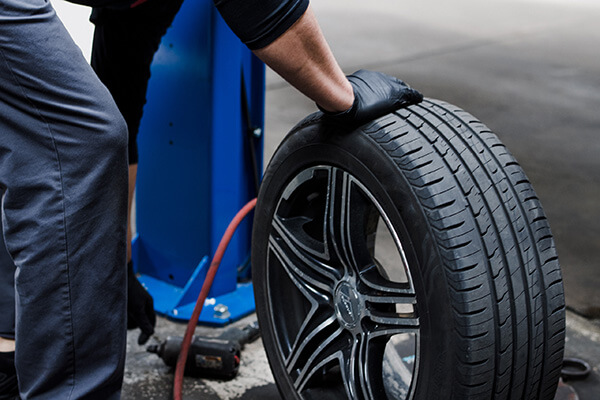
Car Safety Tip: Are Your Car Tires Safe?
by arsdemo
Do you know most car accidents are caused because of one or the other fault in the car tires? Most of the car accident reimbursement that the car owners have to pay for the accident victims or the loss they have to incur in terms of insurance money they get is all due to fault in car tires.
So, when you go out to buy a car then with all the factors like performance, brand, price, appearance, comfort, and maybe even safety, do consider the performance and integrity of the car tires as well.
Even if you own a pre-owned car do make sure that your car tires are in good condition and match your car type, the kind of use it is put to, and the geographical demand of the area where you live.
Reliable Tires:
Remember different kinds of vehicles require different kinds of tires. So, you must do some research on your car type and its matching tire type. Do not trust the previous owner if you are buying a used car.
Make sure it has compatible car tires. Tires are good for varying conditions, last for varying lengths of time, and cost varying amounts to replace. You must know what type of car tires would work the best in your area.
Conditions such as extreme heat, frequent rain or snow, or heavy winter weather are some to consider when you are looking to purchase tires or to purchase a vehicle with its unique tire needs.
Savings:
Buying the appropriate tires for your car ensures lowered risk of mishap thus, the lower the insurance premium.
Again for special usage cars such as racecars you can get a good insurance premium value if you make sure you use tires specifically made for such cars.
High-performance tires may cost more than normal tires but using them saves a lot of money. Driving on tires with worn-out tread can be extremely dangerous, especially in severe weather conditions.
If an accident is caused in such conditions you will not only lose money in insurance but also have to pay from your pocket to reimburse for the damage caused by your car and to your car.
Different vehicles need different tires and also come with different insurance rates charged by different companies that insure you and your vehicle under different amounts. Thus, make sure your car tires are safe
so that you are saved from insurance hassles later on.