Self-discipline and personal development are two of the most important skills that you can possess in life.
With self-discipline, you can achieve anything that you set your mind to. And with personal development, you can improve every area of your life, including your health, finances, relationships, and of course, sports performance.
With that said, there are a number of different skills involved in developing both of these areas.
Athlete development is important because it allows athletes to improve their skills and abilities. This, in turn, allows them to compete at a higher level and achieve better results.
Athlete development can also help athletes stay healthy and injury-free, or make a comeback from injury.
There are many reasons why self-discipline and personal development are important for athlete development. One of the most important is that it allows athletes to focus on their goals and stay on track. Without self-discipline, athletes may be more likely to give up when things get tough or lose sight of their goals.
Personal development can help athletes learn how to set goals, work towards them, and stay motivated. It can also help them learn how to deal with setbacks and disappointment.
Additionally, personal development is about becoming a better athlete. If athletes don’t improve as athletes, then their results will suffer and they won’t get any closer to their goals.
Athletes need to be strong both physically and mentally. Physical strength helps athletes perform better in practice and recover from injuries more quickly. Mental strength helps athletes stay focused and motivated during competitions. To improve as an athlete, you need to be strong in both areas.
Two of the best ways to develop self-discipline and personal development are through goal setting and imagery (mental rehearsal).
When athletes set goals for themselves, they have something to focus on during training, matches, and competitions. This gives them something to work towards, which can help them stay focused and motivated. As athletes focus on their goals, they imagine themselves succeeding in their sport.
Mental imagery helps them stay confident and play with a calm mind. Visualization is also an effective way to help athletes deal with failure. These are all aspects we'll break down later on in more depth and detail.
Personal development is also important for athletes because it allows them to focus on their own individual strengths and weaknesses. This can help athletes improve their performance and achieve their goals.
Additionally, personal development can help athletes deal with the stresses of competition.
Self-control, self-discipline, and motivation are three distinct concepts that often overlap in athletes.
Self-control is the ability to delay immediate gratification for future goals.
Self-discipline is the ability to follow through with goals.
Self-motivation is being committed to long-term goals even in the face of difficulties.
The following are six (6) areas in which you must continually improve if you want to succeed as a high-performance athlete trying to move up a level.
Aside from raw talent, the athlete who is better developed in these than the other will always have the upper hand in a close matchup, so make sure to make these areas part of your focus.
Mastering the fundamentals of your sport is important for sports performance because it allows you to focus on the most important aspects of your sport. By mastering the fundamentals, you can improve your technique and perform at a higher level.
I've met plenty of athletes who battled with confidence (a crucial component of sports performance), but that lack of confidence was tied to a lack of competence in the game, notably understanding of the game and knowledge of their position.
Understand that there is a clear link between a lack of competence (knowing how to do something) and low performance.
When people do not understand what they are doing (low competency), they are much more likely to make mistakes and perform poorly.
This can be especially true on the sports field, where a lack of understanding can lead to frustration, confusion, doubt, and plenty of mistakes.
In order to achieve optimal performance as a team and as individual players, it is essential that everyone involves understands what is expected of them and what they need and are allowed to do in order to perform at the highest level.
When there is a lack of understanding, individuals may be tempted to do more than they are allowed to do causing them to overcompensate (e.g., pass offside line, illegal tackles etc.), which can create problems for the team's performance and a game's end result.
There are numerous reasons why developing skills is essential for excelling in your sport.
One of the benefits is that it enables you to boost your performance.
Just like a basketball player's jump shot might give them an advantage over another player on the court, developing your skills will increase your performance and make you more successful.
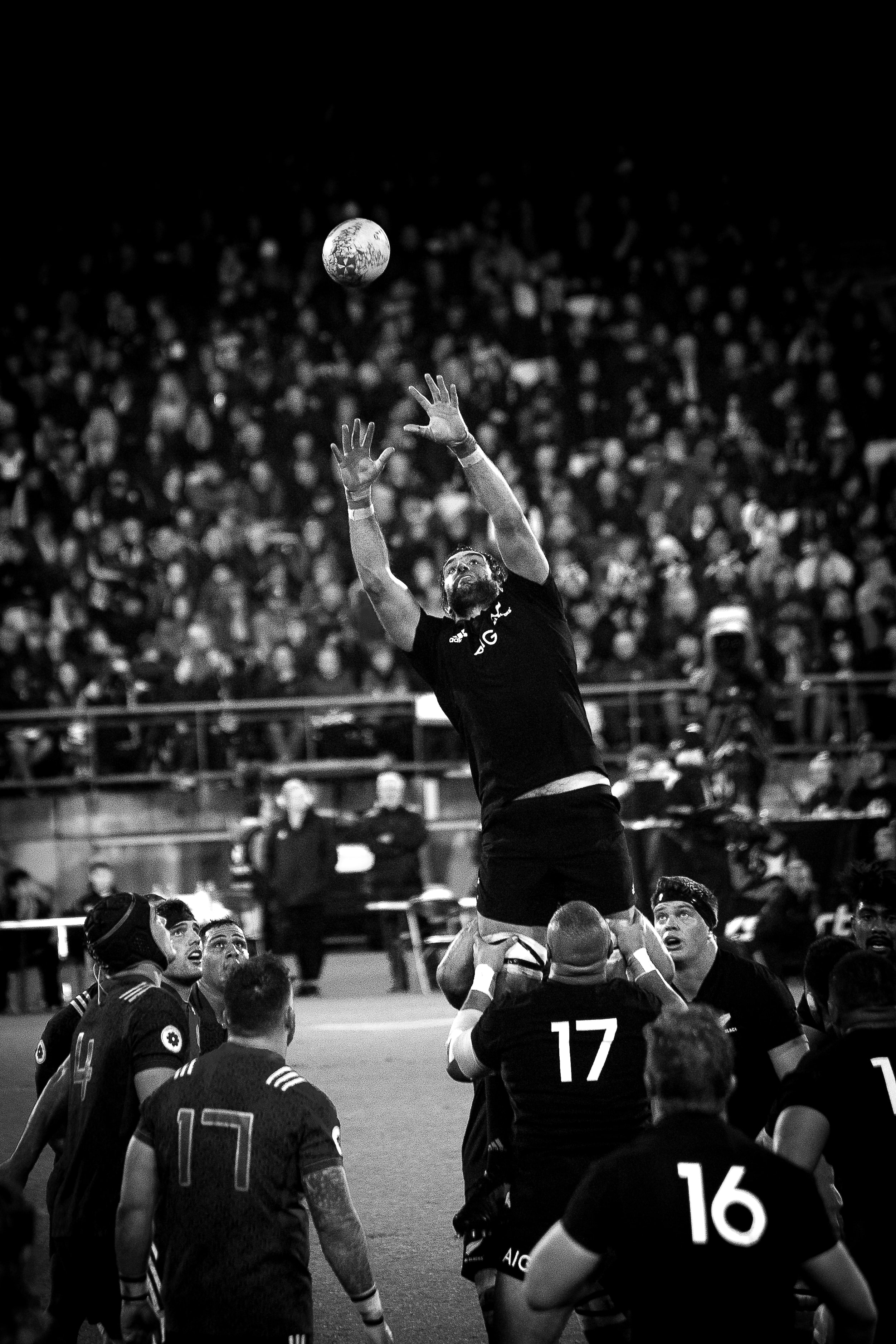
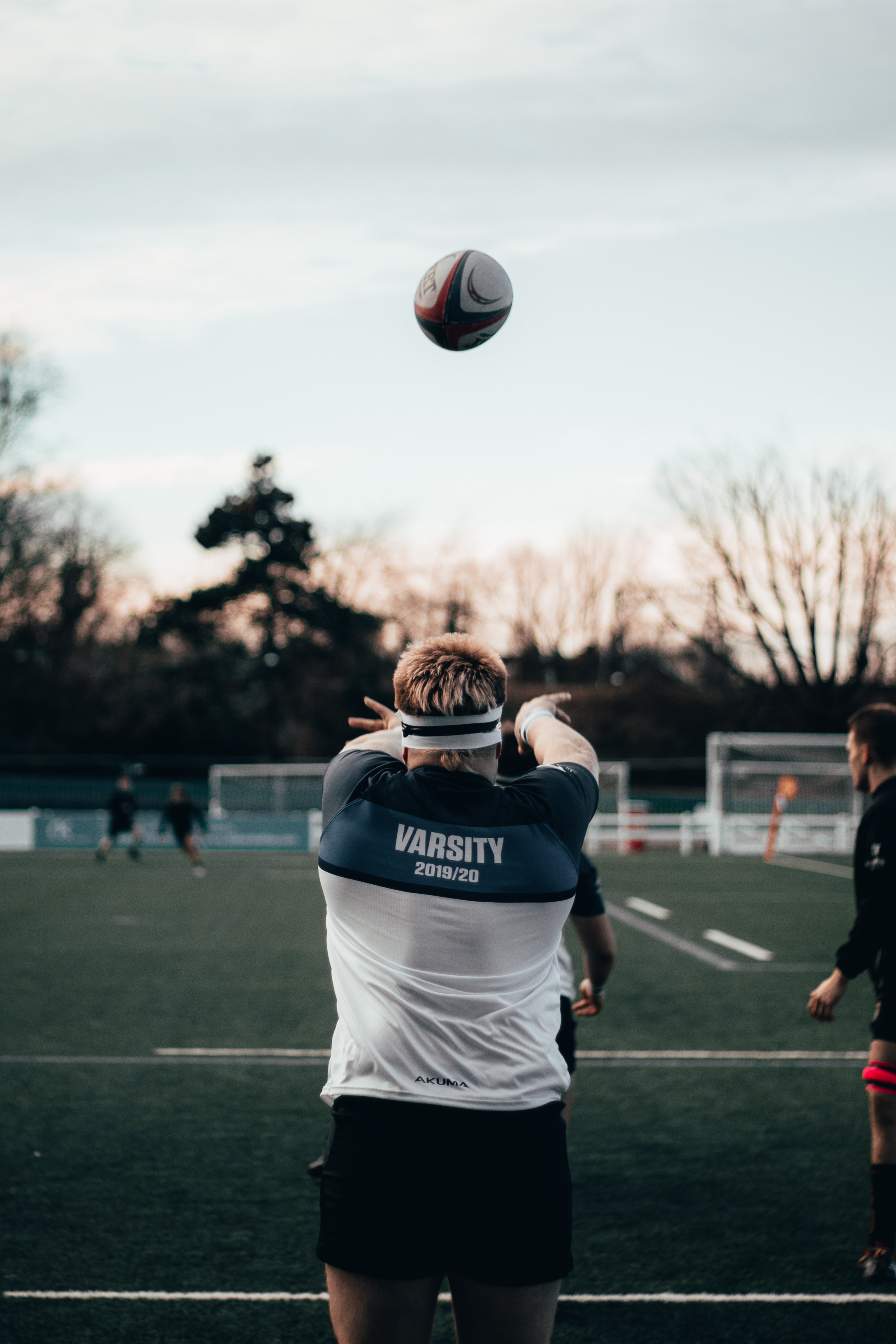
The line-out is an example of an important skill for some rugby players. Developing this skill, as well as the skills associated with line-outs, can aid to improve players' performance during training and matches by lowering tiredness and enhancing accuracy.
Remember, the less you have to worry about skill when under pressure or fatigue sets in, the more focus and energy you can devote towards performance rather than the execution of basic skills.
It can also help you stay safe while participating in your sport. In rugby, for example, developing passing, offloading, and tackling skills might assist in keeping you out of potentially harmful situations.
Finally, it can make competing more enjoyable. Improving your skills will not only help you be more successful, but it will also make training and competing more fun because you highly skilled players get to truly play the game creatively.
Another advantage is that it can help you become a better teammate since you will be able to help others improve their skills and show them how to do things the same way you have learnt.
This will also allow less experienced players to model after more experienced players, increasing overall team standards in the process.
Apart from knowing the game inside out, physical fitness is another aspect for athletes because it improves sports performance by reducing mental fatigue.
Fitness improves the body's ability to use oxygen, which is necessary for endurance activities, like rugby.
For example, fitness affects an athlete's ability to think clearly during training and competition by improving the cardiovascular system, which provides more oxygenated blood to the brain.
What happens as a result of that is fitness can improve cognitive function and decision-making skills which is crucial for on-field performance.
Furthermore, fitness allows the body to recover quickly from tiredness and withstand injuries, which is an important advantage in rugby.
Also, a healthy body is less likely to be overweight, and thus has less body fat to restrict movement, resulting in enhanced agility and speed, making you more effective in a game.
However, maintaining good physical and mental health go hand in hand.
An unhealthy lifestyle can quickly lead to mental health issues like stress and anxiety, which will have an impact on your performance in any sport.
As a result, it is critical to learn how to properly manage mental health by managing your habits, particularly those related to nutrition and sleep.
Psychology has a big role in sports performance. It handles the pressure of competition and deals with setbacks. It is very important for athletes to be able to focus and block out distractions. They need to have a good mental attitude and be confident in their abilities.
Psychology can help athletes deal with stress and anxiety. It can also help them recover from a loss or a setback.
When athletes are motivated and prepared, they are more likely to succeed. But when an athlete is stressed or anxious, their performance can suffer.
What does it mean to have a good mental attitude?
A good mental attitude is essentially about confidence, and confidence is central to sports performance. The more confident you are, the more effort you will put into your training and the more "freely" you'll approach the game.
For example, consider a situation on the field in which you might be very anxious or stressed out.
You might be anxious because you have never played a particular position before and feel like you don’t know what to do.
It is likely that you will make mistakes and your teammates might point them out. You might think, “I can’t believe I just did that. Why do I keep messing up?”
A good mental attitude, however, is about blocking out those negative thoughts and focusing on your strengths so that you can regain your confidence.
Confidence means you believe in your abilities to succeed, plus your ability to execute those abilities.
Focus on improvement, not perfection.
Most athletes want to be the best at what they do, but that means you'll have to take risks and risks can either pay off or not.
But your ability to remain focused on your goals is a major component of mental toughness, and those who do it better than their opponents will have an advantage.
It is very easy to get side-tracked or distracted by things that go wrong, but it dwelling on it won't make you perform better. In fact, just the opposite.
The key is to just keep moving forward toward your goals despite mistakes or setbacks.
Don’t get so consumed by things that go wrong that you stop reaching for your goals, on and off the field. Your mental toughness is also about being able to learn and improve.
Lastly, think of your mind as a type of mental gym in which you need to train a lot to see the benefit of the sports field. Athletes who train regularly in their "mental gym" are more likely to excel on the field than those who don't.
All Black Mental Skills coach, Gilbert Enoka once said: "If you want to build up strength, you go to the gym and work out three times a week. If you want to develop your ability to concentrate and focus and be flexible in what you do from a mental perspective, why wouldn’t you apply the same approach?”
As said earlier, athletes need to make sure they are eating the right foods to fuel their bodies for sports performance. Eating a balanced diet with plenty of fruits, vegetables, whole grains, and lean protein is important.
Athletes also need to make sure they are drinking enough fluids, especially water.
There is a correlation between nutrition and high performance because if an athlete is not eating properly, they will not be able to perform as well as they could if they were eating a performance appropriate diet.
Proper nutrition provides athletes with the energy they need to train and perform, the protein they need to build muscle, and the vitamins and minerals they need to stay healthy.
If you are participating in professional sports, this is an area in which every athlete should strive to improve, because the athletes who have the most optimised "engines" will have a distinct advantage over their competitors.
Discuss this with your team nutritionist.
The correlation between training and sports performance is that if you train more, you will perform better.
This is because when you train, your body becomes used to the physical demands of your sport, and you become stronger, faster, and more agile.
Training also allows you to develop your skills to a higher level, which improves your performance and gives you an edge over other athletes.
Another thing to consider is that certain types of training are more effective than others, depending on your sport.
For example, MMA training is extremely specific to that sport, so the amount of work an athlete does will be different from how a rugby player trains.
With that being said, the intent of the training is still the same: to improve your performance on the field and when it matters most.
So with that in mind, it becomes a question of which areas of your performance do you need to improve most, as that will determine where you need to put more of your focus and time.
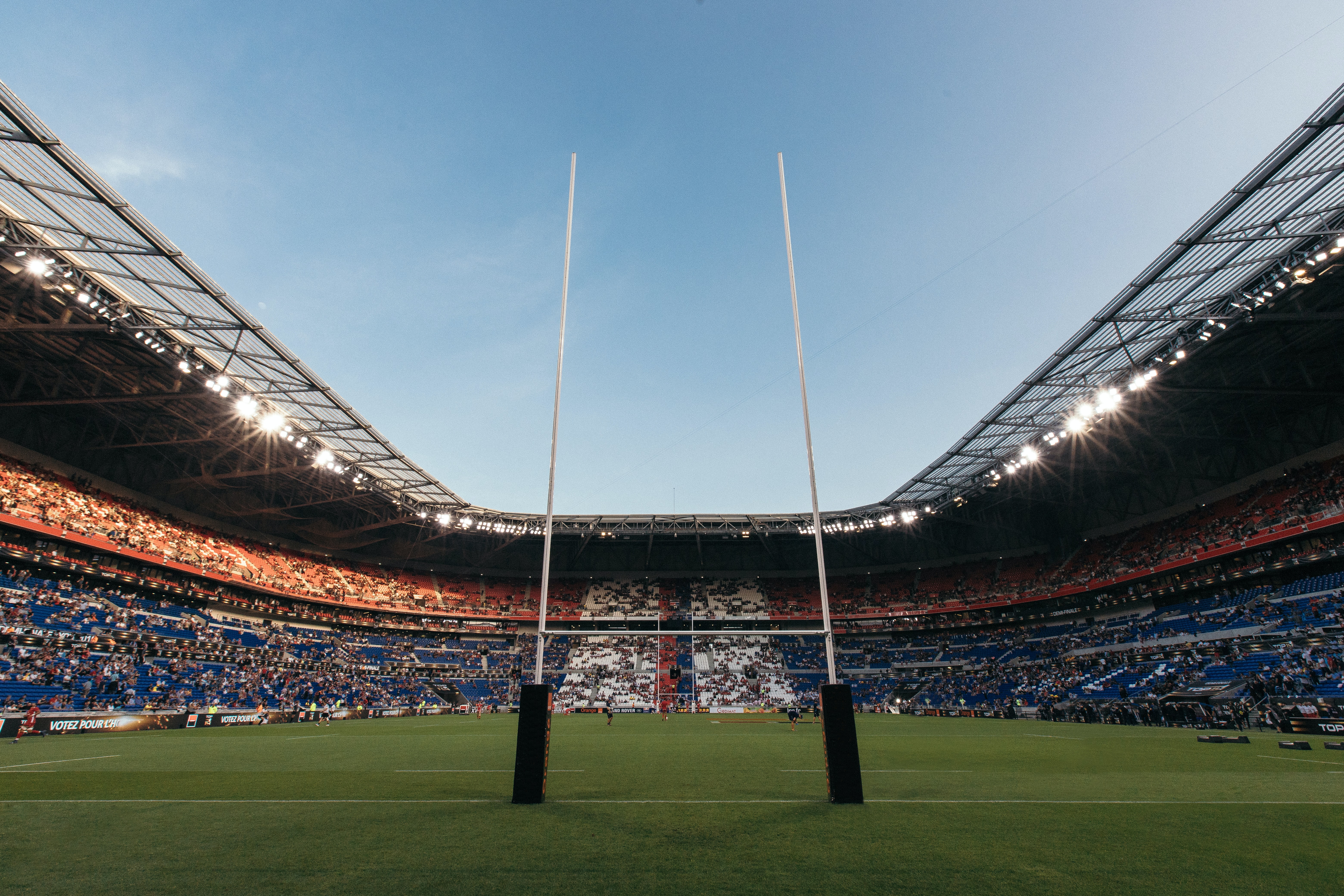
Personal development is important for professional athletes because it allows them to focus on their individual strengths and weaknesses in order to improve their performance over time.
It also helps them to develop a better understanding of themselves, which can lead to better decision-making both on and off the field.
As Sir Graham Henry once said, "Great men make great All Blacks."