7 Steps For Keeping Your Teeth Healthy For A Lifetime

7 Steps For Keeping Your Teeth Healthy For A Lifetime
A smile can last a lifetime-if you take care of it. For that reason, it's important for parents to instill good oral health habits in children as early as possible.
According to U.S. Surgeon General Richard H. Carmona's "National Call to Action to Promote Oral Health" report, children lose more than 51 million school hours and adults lose more than 164 million work hours each year due to dental disease or dental visits. The nation's total bill for dental services was estimated to be more than $70.1 billion in 2002.
"Oral health disease is making disturbing inroads into communities across the country," Dr. Marsha Butler, Colgate-Palmolive's Vice President, Global Oral Health and Professional Relations, explains. "For children between the ages of 5 and 17 here in the U.S., tooth decay is more common than asthma, more common than hay fever, and it poses a significant threat to our children's overall health and well-being."
Recently, during the celebration of National Children's Dental Health Month, Colgate and Dr. Carmona unveiled "The U.S. Surgeon General's Seven Steps to a Bright Smile," tips that were developed, with a grant from Colgate-Palmolive, to help keep teeth and gums strong and healthy:
1. Brush teeth and gums with fluoride toothpaste at least twice a day, especially after eating breakfast and before bedtime.
2. Visit the dentist regularly.
3. Floss your teeth daily.
4. Use fluoride rinse for strong, healthy teeth and gums.
5. Limit the number of times you eat snacks each day-and remember to practice healthy eating and get plenty of calcium.
6. Wear a mouthguard when playing sports.
7. Ask your dental professional about dental sealants.
Through its Bright Smiles, Bright Futures program, Colgate has reached more than 50 million children with free dental screenings, treatment referrals and oral health education. The company is more than halfway to meeting a public commitment it made to reach 100 million children with these services by the year 2010. Bright Smiles, Bright Futures empowers children to take control of their oral health and helps to generate greater awareness about the importance of maintaining good dental hygiene.

Tips for Sparkling White Teeth
There’s more to keeping you pearly whites precisely that than a bit of brushing and the odd visit to a dentist. Take a look at these dental dos and don’ts.
#1 Avoid Fizzy Drinks
Carbonated drinks (including the diet variety and sparkling water) can cause your teeth to look older than they really are. These drinks are so highly acidic that they can actually dissolve the upper layers of the tooth. They contain high amounts of phosphorus - a mineral that can leach calcium from your bones if you consume too much and some scientists believe they can weaken your jawbone, increasing the chance of losing teeth.
Some researchers believe calcium is first robbed not from your hips or spine but from your jaw, leading to tooth loss. We see a number of young people who have the jaws of much older people, because of poor dietary habits such as drinking soda, along with not getting enough calcium.
#2 Chew your Food
Foods that work on the teeth like detergents are foods that require chewing. Apples, celery and carrots clean teeth naturally and foods such a spinach, lettuce and broccoli prevent staining by creating a film on the teeth that acts like a barrier. Major strainers will take their toll on your smile sooner of later, so steer clear of tea, coffee, red wine, and highly pigmented foods such as cherries and blueberries anything in fact, that will stain a white shirt.
#3 Don’t take Drugs
Ecstasy causes jaw clenching in users. A study found that 60 per cent of ecstasy users examined had worn their teeth through the enamel and into the underlying dentine, compared with only 11 per cent of non-users. As for cocaine rubbed on gums, it restricts blood flow, traumatizes the tissue and inhibits nutrition of the gums. Remember gums keep teeth in place.
#4 Quit Smoking
Smoking causes staining of the teeth and bad breath and increases the risk of oral cancer and gum disease, as it constricts blood flow to the gums. In fact, some gum specialists feel it’s not worth providing advanced treatment for gum disease in smokers, as there is very little chance of improvement. Smoking one pack a day for 10 years can cause a 10 per cent loss of bone support. Long term studies reveal that most tooth loss in 19 to 40 year olds is associated with smoking more than 15 cigarettes a day.
#5 Beware Bleaching
A professionally applied whitening system will not damage teeth. But some over the counter bleaches are so acidic; they can cause surface loss and sensitivity.
#6 Stop Biting Nails
Habitual nail chewers damage more than their cuticles; they can damage their teeth, too. If you have weakened enamel, you end up with an exposed, dented, soft area in the center of the tooth. And that’s when the problem occurs. The denting is much softer than the enamel and if exposed to bad habits such as chewing nails, opening beer bottles, it will wear down. Often the middle part dissolves quicker than the outside and the brittle enamel is very prone to chipping, making the teeth look uneven and unattractive.

Getting Over Your Fear Of The Dentist
Dental anxiety or fearing the dentist is a problem that many people have, and something that is somewhat difficult to overcome. This fear normally prevents rational people from visiting the dentist and maintaining the health of their teeth. The key to keeping your teeth healthy is to prevent problems before they start. Those who suffer from dental anxiety will try to avoid going to the dentist, which results in problems.
When someone who suffers from dental anxiety finally goes to the dentist, they normally find that even the smallest of problems can turn serious and require a lot of work and intervention from the dentist. Even though you may not realize it, regular cleaning visits to your dentist is the best way to keep your teeth healthy, and prevent problems such as decay and cavities.
You can use several techniques to overcome dental anxiety. Some of the techniques require mild sedatives, also referred to as sedation. Sedation is a way to relax, given by breathing or IV (Intra Vein) through a vein in your arm. Sedation will help you to calm down, although you will normally be awake to answer questions or talk to your dentist.
Some people who suffer from dental anxiety have had bad experiences. Any type of negative dental experience will normally result in emotional scarring and last for years. Anything that results in negative feelings for the patient will normally cause them to feel in a negative way toward the entire dental profession. Although all dentists aren’t bad - a negative experience will certainly make a patient feel that way.
When you look fora dentist, you should always ask your family and friends who they use, and who they recommend. When you visit a dentist, you shouldn’t hesitate to ask him any questions that come to mind, so you can be more relaxed. You should always keep in mind that you are customer, and the dentist is the one who needs to make you feel relaxed. Never should you feel intimidated, as the best dentists will do everything they can to establish a sense of trust.
Establishing trust is very important with the patient/dentist relationship. You’ll be going to your dentist on a frequent basis, so you’ll want to be sure that you can trust him. When you go to your dentist for the first time, you should let him know about your dental anxiety. If he isn’t willing to talk about it with you or do things to help you relax, you should look into a new dentist.
You can always tell who the better dentists are by the type of facilities they have. Dentists who have a lot of customers or nice offices, have established themselves and proved that they are indeed the best. If a dentist has a lot of customers, it lets you know that he has them for a reason. People that are satisfied with a dentist, normally return.
If you suffer from dental anxiety, you should always let your dentist know in advance. This way, he work with you to overcome your fear. Over time, you’ll find that you can overcome your fear and establish a great relationship with your dentist. You can get over your fear of dentists, no matter how bad your fear may be. It will take you some time, although your dentist should be willing to work with you. Before you know it, you’ll be over your fear and more than willing to go to your dentist.
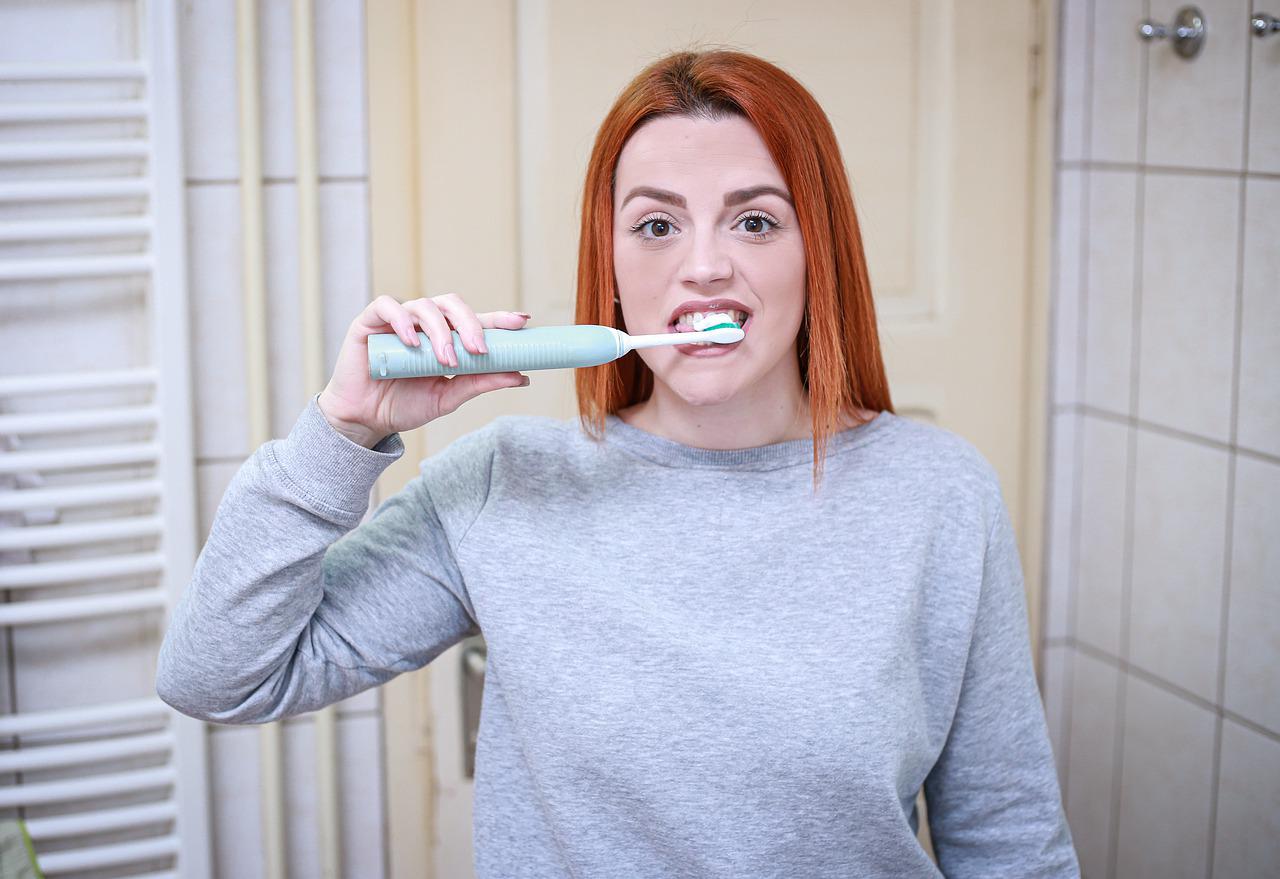
Good Dental Care At Home Can Keep Your Teeth Looking Bright!
Using a good quality toothbrush and toothpaste can help keep your smile bright!
When we talk about dental care many people think about that trip to the dentists every 6 months. You DO go to the dentist regularly don't you? OK, may of us don't because of the time involved or expense. The second best way to protect your teeth is to follow a regular dental care regimen at home. This would include not only brushing your teeth with a quality toothbrush but also using some type of dentifrice or toothpaste and regular use of dental floss. Flossing is probably the least used but most effective way to clean areas of your teeth that cannot be reached with brushing alone.
Toothpaste is a paste used, almost always in conjunction with a tooth brush, to clean teeth. Good oral hygiene demands consistent brushing on a daily basis preferably after each meal. The first reference to toothpaste was found believe it or not in Egyptian writings. Toothpaste back then was probably a mixture of spices like sale and peppermint and probably some herbs. Although not exactly our idea of good tasting, it was most likely very effective for keeping down the decaying food particles and was considered good basic dental care of the day.
In the late 1800's, toothpaste and dental care become a growth industry for many smaller companies. Oral hygiene of the day was a mixture of chalk and various salts designed more as an abrasive to scrape off plaque than make your mouth clean. We now know that these types of toothpastes or powders actually damaged teeth because of the abrasive nature of the ingredients. The abrasiveness scraped and damaged the enamel coating that protected teeth and left them more vulnerable to decay and plaque build up.
By 1900, baking soda made it’s way into commercial toothpaste products along with a small amount of hydrogen peroxide solution. This was probably the very beginnings of teeth whitening products for the mass market. Although actual tooth cleaning pastes were first marketed in the 19th century, it was not very popular until the mid 1900's. The Colgate & Company manufactured toothpaste in the first collapsible tube, similar to the tubes we use today. These were actually the first products that had the basic compounds to brighten and whiten teethHydrogen peroxide, although in higher concentrations is being used today to remove staining and whiten teeth. Although tooth powders, a pre cursor product to toothpaste didn't show up on the market until this time, it wasn't until the mid 1950-1960 that modern toothpaste that we recognize became the teeth cleaner of choice.
Fluoride started to be added to toothpastes in the 1950 and 1960’s. Fluoride is still controversial due to the claimed "dangers" of anything chemical. Although fluoride is not good for people in large quantities, it's a fact that as fluoride has been added to the nations water supply, the number of cavities in children has dropped dramatically. Of course, there’s little doubt that fluoride has been instrumental in lowering the number of dental cavities.
Like many shampoos, healthier ingredients (such as baking soda, pseudo-mouthwash etc) are often combined into base mixes of varying qualities and marketed as being beneficial. Toothpaste is most commonly sold in flexible tubes, although one may also purchase it in hard plastic containers with pumps. Packages designed to stand straight up, so as to allow more of the toothpaste to be used, are a relatively recent innovation. You only need a little toothpaste to get the job done however. Remember that the toothpaste manufacturers have an interest in getting you to overuse their product, making more purchases likely. A pea sized amount is more than enough to do a good job brushing your teeth.
Toothpaste comes in a variety of flavors, with those marketed to kids! Tasting like orange, cinnamon and bubblegum. Taste has nothing to do with the quality of the product however but may get some people and children to brush longer. So for a good brushing, use a quality toothpaste and soft bristle brush. Your teeth and gums will thank you!

Why You Need To Visit The Dentist
If you think that brushing and flossing alone is
enough to keep your teeth and mouth clean and healthy, think again. If you think that you can manage to have a clean and healthy mouth without the help of a dentist, then what are dentists here for?
Dentists play a big part in managing the personal dental care of individuals. Dentists check your teeth and mouth for signs of cavities and gum disease.
They will also help you maintain extra clean teeth and they will also teach you the proper ways of brushing and flossing. They can even demonstrate it to you so that you can really see how it is done.
Be Careful Of What You Eat And Drink Dentists would also give you important advices related to teeth and mouth care. Perhaps one of the most common advices that dentists give their patients is to be careful with what they eat and drink.
Eating and drinking sugary stuffs such as candies, cakes and soda can attract a lot of plaque to stick to your teeth. If you want to have healthy teeth, do try to eat more fruits and vegetables and drink more water
than soda.
More Than Sprays And Breath Mints The world is full of instant solutions and shortcuts and dental care is not exempted from the variety of instant solutions.
A lot of breath mints and breath fresheners are available in the market today, offering instant fresh breath to individuals who are perhaps too busy to spend at least three minutes to brush their teeth.
If you are one of the many people who are seeking the aid of breath mints and breath sprays to give you fresh breath, you might want to change your approach to personal dental care because it will just do you
more harm than good.
Aside from the fact that breath mints and breath sprays can’t really rid your teeth and mouth of minute pieces of food debris, they are also not good for long term use.
The truth is, breath mints and breath freshener sprays are only good at masking mouth odors. Sure, they can give you instant fresh breath that can probably last for a few hours, but when you look at your mouth through a microscope, you will really be
disgusted and appalled by all the bacteria and food debris that can be found in your mouth and in between your teeth.
Brushing:
Simplest Yet Most Essential Brushing one’s teeth may seem to be the simplest and most basic part of personal dental care but it is one of the most needed things to do to achieve clean and healthy teeth.
You see, in order for you to prevent cavities, you need to brush off the plaque stuck in your teeth brought about by the food and beverages that you ate and drank.
Brushing regularly can also save you a lot of unwanted trips to the dentist. Remember, breath mints and breath freshener sprays won’t help in getting rid of the bacteria that causes plaque to build up in your teeth.
If you want to have a nice set of teeth without having to undergo awful toothaches and bad breath, take the extra mile to spend time for your personal dental care
routine.