Please choose one of these or this one, and if necessary, change and issue, so that we can make an app for you.

Our Infrastructure
School Bus

LAB

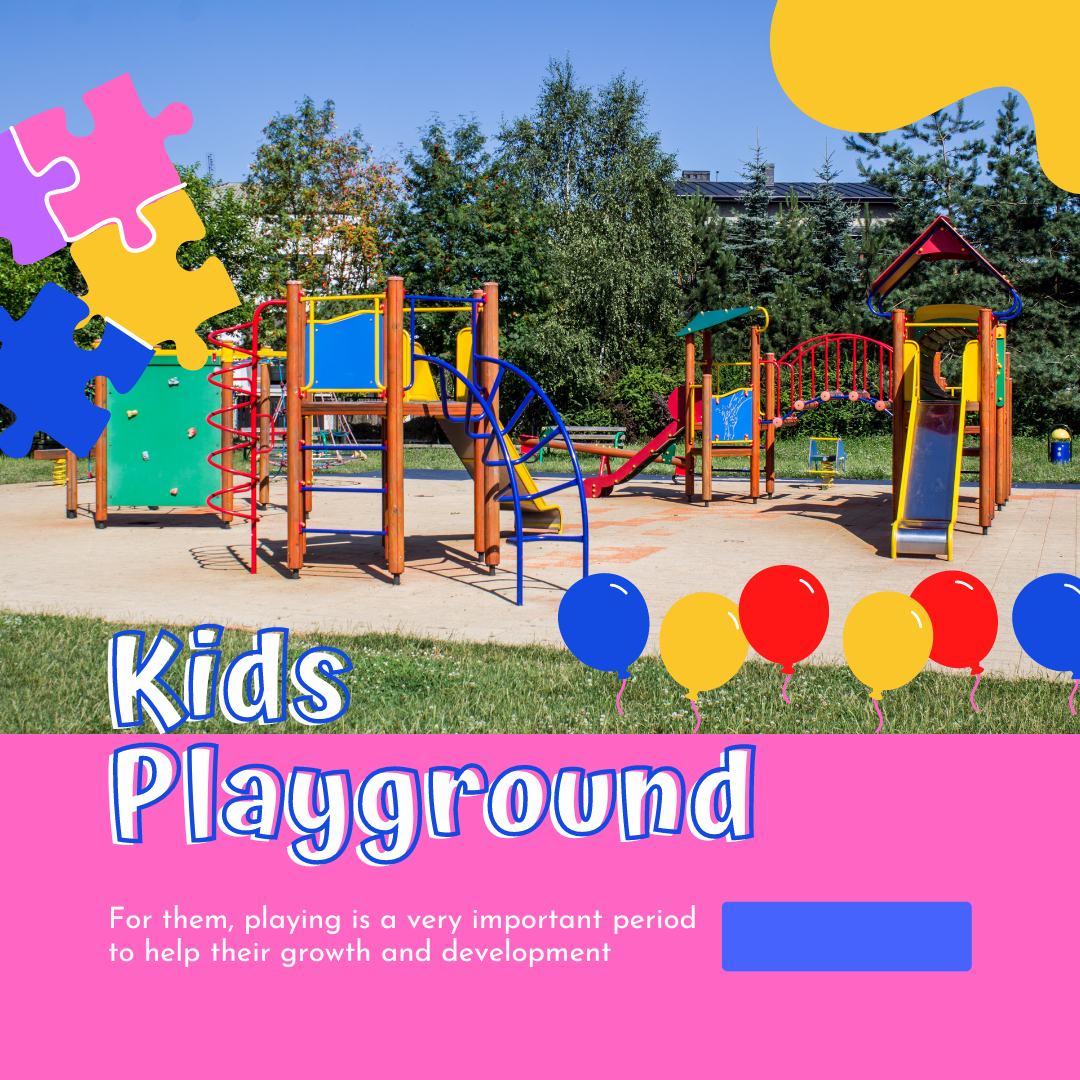
Play Ground
cafe

Prayer

Contact Us
98493 48690
KENDRIYA VIDYALAYA DONIMALAI BELLARY DIST KK
CREATIVE LESSONS
Creativity Makes us to learn
1.Entrepreuner Ideas
2.Design Ideas
3. Logic Ideas

Everyday Time Table for every class
Class IV
Our Teachers/Lecturers with contact nos.
1. Sunanda no.9849348690
2. Rajkumari no.9849348690
3. Rajesh no. 9849348690
Everyday Event
Today at ………… Playground
Today at ………… Prayer Hall
Courses/Classes
Notice Board
xxxxxxxxxxxx
FEES
Contact
Find
India
Our Skills
1. The Best Wrestler
2. The State ranker
3. The Best Cricketer
The Expertise
1. The best rank holder
2. The top reader
Services
Astonishing facts about life in JAPAN that will amaze you!
1. Japanese airport workers clean your luggage.
2. Japanese trains have footpaths.
3. In northern Japan Side Walks are heated in winter time.
4. Students are made to do the cleaning themselves not the custodians , this gives them the lesson about tidiness and responsibilities from young age.
My First Book
Congratulations on starting your first book! Writing a book is a big undertaking, but also a rewarding one.
Here are a few tips to help you get started:
Define your genre and audience: Decide what genre you want to write in (fiction, non-fiction, mystery, romance, etc.) and who your target audience is. This will help you to shape the tone and style of your book.
Plan your story: Before you start writing, it's a good idea to plan out your story. This can include creating an outline, making a list of characters, and deciding on the major plot points.
Set a writing schedule: Make a commitment to write regularly. It's a good idea to set aside a specific time each day or week for writing and to stick to it.
Start writing: Once you have a plan in place, start writing! Remember that your first draft doesn't have to be perfect – it's more important to get your ideas down on paper.
Seek feedback: Once you've completed your first draft, ask others to read it and provide feedback. This can help you identify areas that need improvement and make your book stronger.
Revise and edit: Use the feedback you receive to revise and edit your book. This can be a long process, but it's essential to making your book the best it can be.
Remember, writing a book takes time and effort, but it can also be a fun and rewarding experience. Don't be afraid to take risks and try new things – the most important thing is to keep writing!
Student Blog
Hello there! Are you looking to start a student blog? Here are some tips to help you get started:
Choose a niche: Your blog should focus on a particular topic or niche. This could be anything from your experiences as a student, to a particular academic subject, to your hobbies or interests.
Choose a platform: There are many blogging platforms available, such as WordPress, Blogger, and Medium. Choose one that best suits your needs and budget.
Create engaging content: Your blog posts should be well-written, informative, and engaging. Use images and videos to break up long blocks of text.
Promote your blog: Share your blog posts on social media platforms like Twitter, Facebook, and LinkedIn. You can also join online communities related to your niche to promote your blog.
Engage with your readers: Respond to comments and questions from your readers. This will help you build a loyal audience and improve your blog over time.
Be consistent: Consistency is key to building a successful blog. Aim to publish new content on a regular basis, such as once a week or once a month.
Starting a blog can be a great way to share your experiences, knowledge, and insights with others. Good luck!

Select your thoughts
CEATIVITY
Students have incredible potential for creativity, and fostering this creativity can lead to great personal and academic growth. Here are some tips for promoting student creativity:
Provide opportunities for exploration: Give students time and resources to explore their interests and passions. This could involve hands-on projects, creative writing assignments, or research assignments that allow them to delve deeper into a topic of their choice.
Encourage risk-taking: Creativity often involves taking risks, so encourage students to take chances and try new things. Emphasize that mistakes are a natural part of the learning process and can lead to growth.
Foster a supportive environment: Create a classroom environment where students feel comfortable expressing their ideas and opinions. Encourage collaboration and provide opportunities for students to share their work with others.
Use open-ended prompts: When assigning projects or assignments, use prompts that allow for multiple interpretations and solutions. This encourages students to think outside the box and come up with creative ideas.
Provide feedback and guidance: Offer constructive feedback and guidance that helps students improve their work without stifling their creativity. Encourage them to reflect on their own work and identify areas for improvement.
Celebrate creativity: Finally, celebrate and showcase the creative work of your students. This could involve displaying their artwork, sharing their writing with the class, or organizing a class presentation or exhibition.
By promoting student creativity, you can help your students develop their own unique voice and perspective, and foster a love of learning that will last a lifetime.

communicate to Modify the app as you need
Charges for app till you use - Rs.100/- per month -starts from 01-04-2023, please Google pay to 9849348690 or not interested send “no” to 9849348690