Arborio Rice
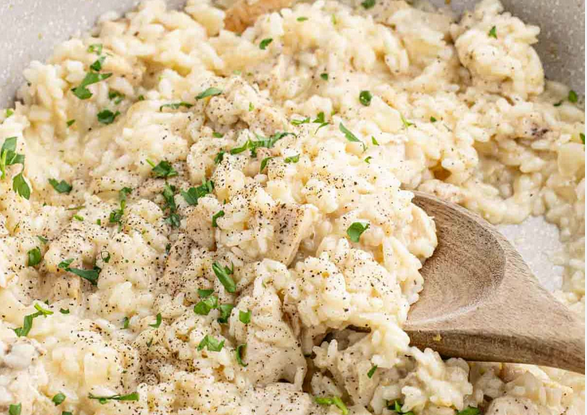
Arborio is a short grain rice that yields a creamy texture, used for Risotto.
Basmati Rice
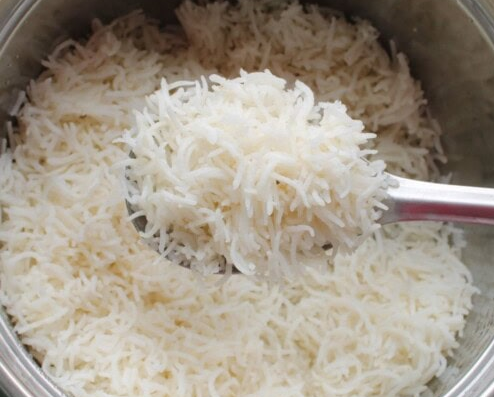
Long grain and separate grains. Used in Indian and some Asian cooking.
Black Rice
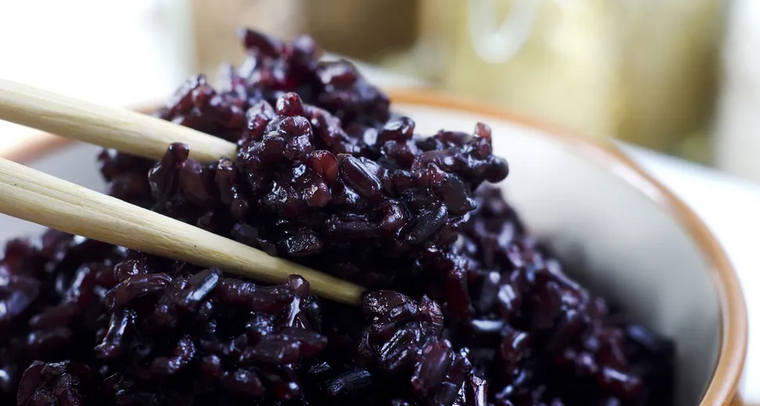
Black rice may be long, medium or short grain. Used primarily in Chinese cooking and salads.
Bomba Rice
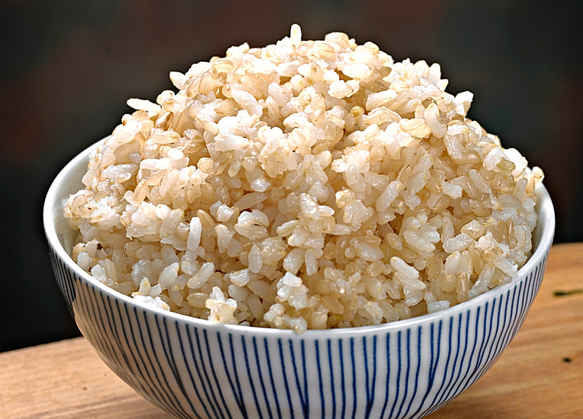
Bomba rices is a short grain rice that is one of the best for absorbing flavors. Commonly used in Paella and Mediterranean risottos.
Brown Rice
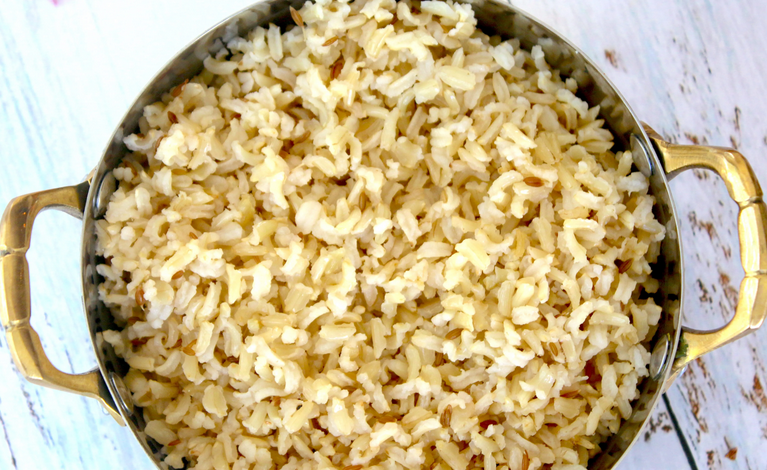
Long grain and retains its bran and germ layers which are not present in white rice. Brown rice provides more fiber and nutrients than its white counterparts.
Jasmine Rice
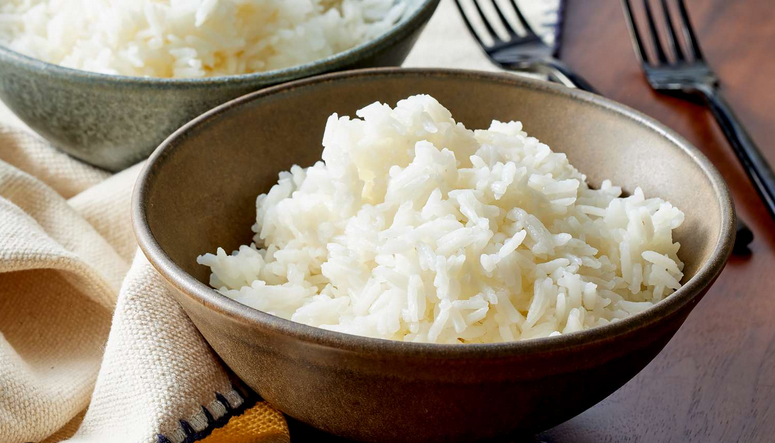
Jasmine is a long grain rice known for its starchy clumping. Used in stir-fry and curry dishes. Used most in Thai and Asian dishes
White Rice
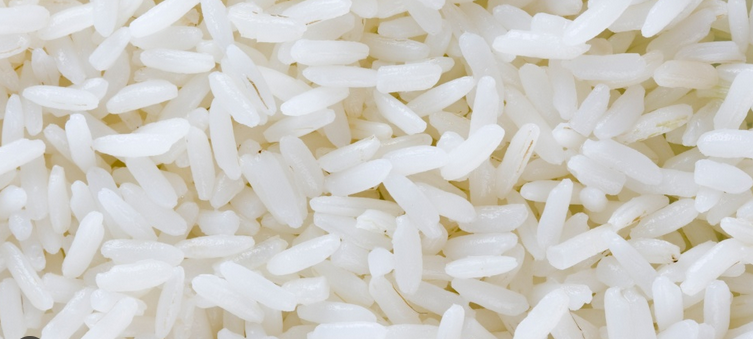
Plain white rice has a long grain, mild flavor Used in casseroles and pilaf.
Glutinous Rice
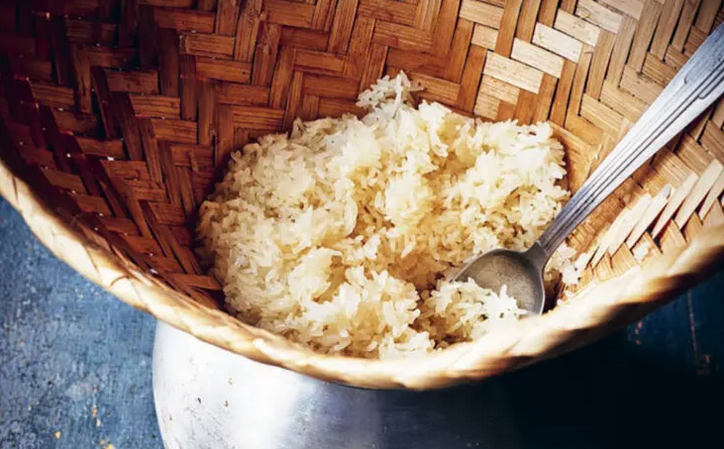
Glutinous rice is a long grain rice that is low in amylose starch making it “sticky.” Glutinous rice is not cooked in water or liquids, rather it is steamed as not to break down. Best known as 'Sticky Rice and Mangoes" in Thai cuisine.
Sushi Rice

Sushi rice is a very mild flavored short grain rice used most in sushi and poké bowls.
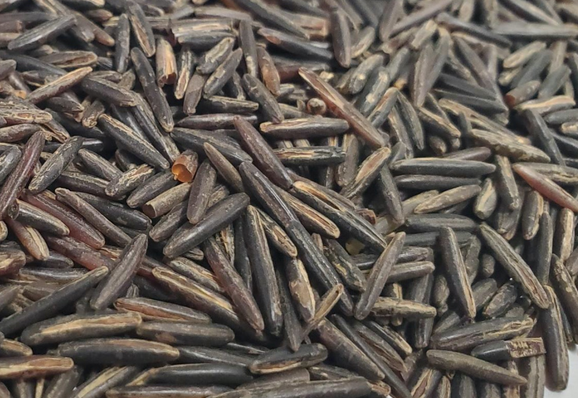
Well, first off, it's not rice!
Wild rice comes from the seeds of 4 different aquatic plants that are native to North America and not Asia. If you want to add wild rice to a dish, keep in mind it does require a longer cooking time than rice.
Converted rice is simply rice that has been par-boiled, dried and packaged. Generally it requires a shorter cooking time.
ex. Uncle Ben's Converted Rice.
The answer is yes, with one exception. With most rice you want to rinse it to remove any lingering pesticides as well as some of the surface starches. The exception is “enriched rice.” This rice has already be cleaned and vitamins and minerals have been added. Since these cannot be injected into the grain itself, it is a coating on each grain of rice. Rinsing will remove these additions. Read the packaging to see if it needs rinsing.
Cooking rice could not be more simple.
Ratios of rice to water is 1:2. 1 part rice to 2 parts water.
At this point I often substitute stock for or part of the water..
Put a tablespoon of olive olive oil in your pan. Add the rice and stir over heat until the rice is nicely coated. This will prevent you rice from clumping. Add your liquid (at room temp). Bring the rice and liquid to a boil, cover and reduce your heat to low. Set a timer for 20 minutes, fluff the rice and you're all set!
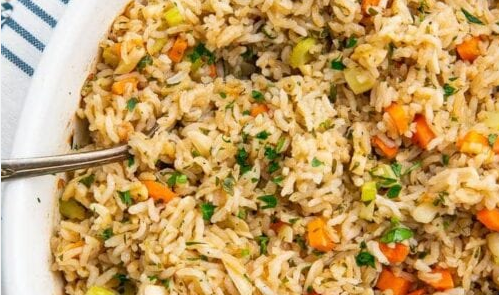
Easy Rice Pilaf:
1 ½ cups long grain rice
3 cups water, or stock or combination of both.
2 tblsp oil
2 tsp salt
½ half onion, chopped fine
Finely chopped vegetables, peas, basically whatever you want to add. Make sure tougher vegetables must be cut small to fully cook in your pilaf.
You can also add aromatics or seasonings, like turmeric which will give the pilaf a yellow color and earthy taste.
8x8 glass baking dish
Parchment paper cut to the size of the dish.
1. Preheat oven to 350°
2. In your hot pan, add your oil, onion and your veggies. Sauté briefly. Add the rice and stir to coat, about a minute. The rice will begin to have a nutty aroma.
3. Add your liquid and seasonings, bring to a boil. When the mixture has come to a boil, carefully pour it into the baking dish. Lay the parchment on top. Move the dish to the center rack in the oven and cook for 18 to 20 minutes.
4. Test for doneness, Remove from oven and fluff with fork.
Experiment with different flavors. Remember, chicken stock may also be used with pork dishes.