Food safety is everyone's concern. We must prepare and clean in the safest way possible. An food bacterial infection is nothing anyone wants to go through. For those who have experienced food poisoning, it's seriously nasty.
Following are some tips for keeping a safe kitchen

Always wash your vegetables!!!
Cross-contamination is dangerous.
Don’t cut vegetables on the same cutting board as raw meats. Always wash your boards with hot soapy water. Don’t use wooden boards.
Store uncooked meat on the bottom shelf of your fridge so if they should drip it doesn’t get into the other items you store in there.
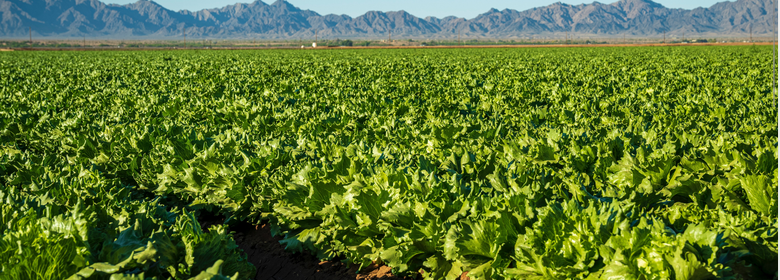
You must understand, until 1987, farm workers were not provided restroom facilities during work. It was common to urinate and defecate in the fields. I am in no way faulting our farm workers, without them we would lose most of the links in our food chain!
"In the United States, farm workers were legally required to have access to restroom facilities through regulations established by the Occupational Safety and Health Administration (OSHA) as part of the "Agricultural Field Sanitation" standard, which came into effect in 1987."
The problem with this is that it is only required for farms with 10 or more workers in the field. So there’s that.
Salmonella
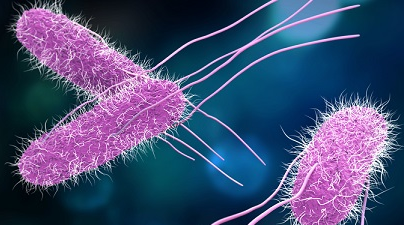
Salmonella infection is usually caused by eating raw or undercooked meat, poultry, and eggs or egg products or by drinking unpasteurized milk. The incubation period — the time between exposure and illness — can be 6 hours to 6 days.
It is found in Meats and Vegetables.
Chicken, turkey, duck, goose: Cook to 165°F
Beef, veal, pork roast or tenderloin, leg of lamb, fresh ham: Cook to 145°F
Ground pork: Cook to 160°F
Eggs: eggs should be cooked for 5 minutes over boiling water, and soft-cooked eggs should be cooked for 7 minutes in the shell in boiling water. Egg mixtures like quiches, casseroles, and egg bakes should reach an internal temperature of 160°F.
E. Coli
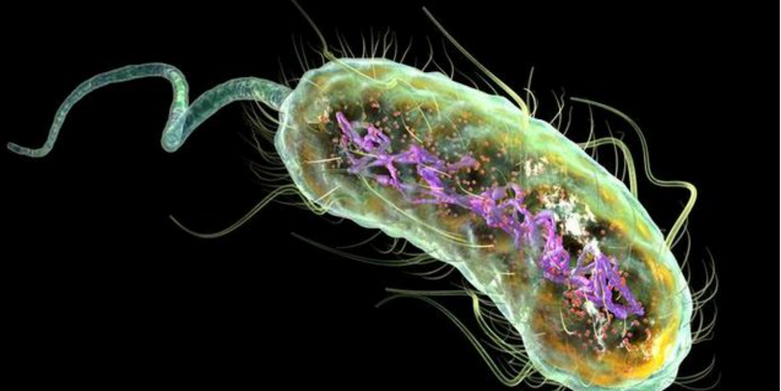
You can pick up E. coli infections in different ways.
You can get it from:
eating contaminated food such as under-cooked minced meat in hamburgers
eating or drinking unpasteurized dairy products, such as raw milk
eating or drinking fresh juices, and unwashed raw fruit and vegetables
swimming, showering or drinking contaminated water, especially in rural areas or swimming pools
personal contact with people who are sick, especially with their vomit or feces.
E.Coli can be cooked out when meats and vegetables are cooked to the proper temperatures.
Listeria
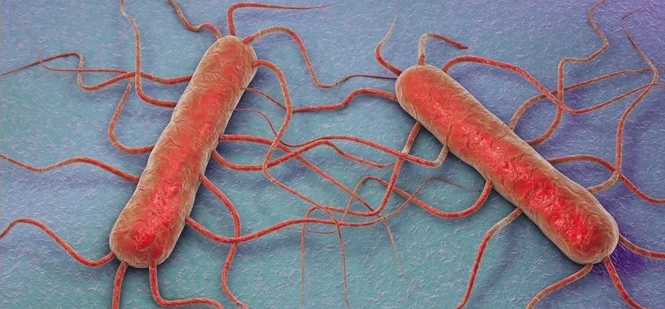
Listeria is a bacteria that can contaminate many foods, mostly related to deli meats and preparations. Listeria is not killed by refrigeration or freezing. It thrives and reproduces in the cold. You can only stop the bacteria by cooking to safe temperatures.
Meat: Deli meats, hot dogs, cold cuts, dry sausages, and uncooked meats
Seafood: Smoked fish, cooked shellfish, and refrigerated smoked seafood like salmon, trout, whitefish, cod, tuna, or mackerel
Vegetables and fruits: Raw or processed vegetables and fruits, including pre-cut fruit
Salads: Ham salad, chicken salad, or seafood salad
Sandwiches: Pre-prepared sandwiches
Pâté
Dairy: Unpasteurized milk, soft cheeses like brie and camembert, and blue-veined cheeses
Wash utensils, cutting boards, and other food preparation surfaces with hot, soapy water after cooking
Scrub raw vegetables with a brush and plenty of running water
Cook food thoroughly, using a food thermometer to ensure meat, poultry, and egg dishes are cooked to a safe temperature
Avoid eating refrigerated smoked seafood unless it's in a cooked dish
Avoid food that's past its best-before or use-by date
Refrigerate leftovers promptly and use them within 24 hours, or freeze them
Reheat food until it's a steaming hot 165°!